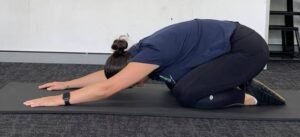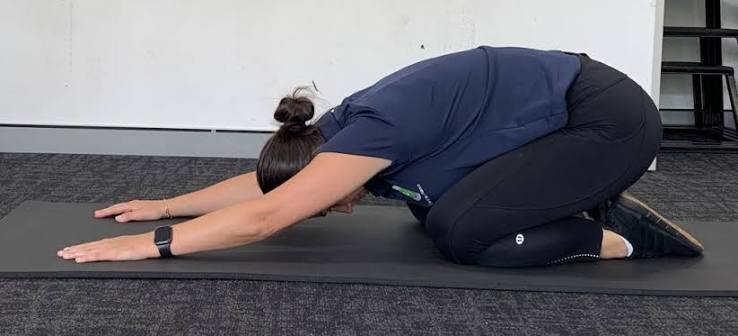
Back pain is one of the most common health problems affecting people of all ages. Whether caused by poor posture, muscle strain, prolonged sitting, physical activity, or an underlying medical condition, back pain can interfere with daily activities, sleep, and overall quality of life. Many people search for how to get rid of back pain because they want effective solutions that provide relief and prevent the discomfort from returning.
Fortunately, many cases of back pain improve with simple home remedies, gentle exercises, lifestyle modifications, and appropriate medical care. However, understanding the underlying cause is essential for choosing the right treatment.
This comprehensive guide explains how to relieve back pain, explores common causes, discusses effective exercises, and provides practical strategies for maintaining a healthy spine.
What Is Back Pain?
Back pain refers to discomfort, stiffness, aching, or sharp sensations affecting the muscles, joints, ligaments, nerves, or other structures of the back. It can develop suddenly after an injury or gradually due to repetitive movements, poor posture, or age-related changes.
Back pain is generally classified into three main categories:
- Upper back pain: Discomfort around the shoulders, upper spine, and shoulder blades.
- Middle back pain: Pain affecting the thoracic region of the spine.
- Lower back pain: Discomfort in the lumbar region, often associated with muscle strain, prolonged sitting, or spinal conditions.
Lower back pain is particularly common because the lumbar spine supports much of the body’s weight and plays an important role in movement.
Back pain can also be categorized by duration. Acute back pain typically lasts less than six weeks, while chronic back pain persists for more than three months.
What Causes Back Pain?
Understanding the causes of back pain can help you identify appropriate relief strategies and avoid activities that make symptoms worse.
1. Poor Posture
Sitting or standing in uncomfortable positions for extended periods can place additional strain on the muscles and supporting structures of the spine.
People who spend long hours working at computers or looking down at smartphones may experience back discomfort associated with prolonged static postures.
2. Muscle Strain
Muscle strain is a common cause of back pain. It may occur after lifting heavy objects, twisting suddenly, exercising excessively, or performing unfamiliar physical activities.
Symptoms may include muscle tenderness, stiffness, and discomfort during movement.
3. Herniated Disc
A herniated disc occurs when part of the soft material inside a spinal disc pushes through its outer covering.
In some cases, this can irritate nearby nerves, causing back pain, tingling, numbness, or pain that travels into the leg.
4. Sedentary Lifestyle
A lack of regular physical activity can contribute to reduced muscle strength, stiffness, and lower physical endurance.
Weak abdominal and back muscles may make certain everyday movements more difficult.
5. Arthritis and Age-Related Changes
Conditions such as osteoarthritis and degenerative changes in the spine can contribute to back pain, particularly among older adults.
However, spinal changes visible on imaging do not always cause symptoms.
6. Other Medical Conditions
Back pain can sometimes result from kidney problems, fractures, inflammatory conditions, infections, or other medical issues.
Persistent or unusual symptoms should be evaluated by a healthcare professional.
How to Get Rid of Back Pain Naturally at Home
Many people experiencing mild to moderate back pain can find relief through conservative treatment and simple lifestyle adjustments.
1. Use Heat and Cold Therapy
Heat and cold therapy are commonly used to manage back pain and muscle discomfort.
Cold Therapy
Cold packs may help reduce pain after a recent muscle strain or minor injury.
How to use cold therapy:
- Wrap an ice pack or cold compress in a thin towel.
- Apply it to the painful area for approximately 10–20 minutes.
- Remove the pack and allow your skin to return to its normal temperature.
- Repeat as needed, avoiding direct contact between ice and skin.
Heat Therapy
Heat may help relax tense muscles and relieve stiffness.
You can use a warm compress, heating pad, or warm shower to ease discomfort.
Apply gentle warmth for approximately 15–20 minutes, using a protective layer and avoiding temperatures that could burn the skin.
Both heat and cold can provide temporary relief. Choose whichever feels more comfortable.
2. Stay Active and Avoid Prolonged Bed Rest
One of the most effective ways to manage uncomplicated back pain is to remain gently active.
Although resting briefly may be necessary during severe discomfort, staying in bed for extended periods can contribute to stiffness and muscle weakness.
Try incorporating gentle activities such as walking, light household movements, and comfortable stretching into your routine.
Start slowly and increase activity as your symptoms improve.
Important: Avoid exercises or movements that significantly increase pain, cause new numbness, or produce weakness.
3. Practice Gentle Back Pain Exercises
Regular movement can improve flexibility, strengthen supporting muscles, and help reduce recurring episodes of back pain.
The following exercises may be suitable for some people with uncomplicated back discomfort.
Knee-to-Chest Stretch
Dehnübungen & Physiotherapie bei Bandscheibenvorfall – Effektive Hilfe gegen Rückenschmerzen
This exercise gently stretches the muscles around the lower back and hips.
How to perform:
- Lie on your back with your knees bent.
- Slowly bring one knee toward your chest.
- Hold the position for 10–20 seconds.
- Return to the starting position.
- Repeat with the opposite leg.
Perform two or three repetitions on each side, provided the movement feels comfortable.
Cat-Cow Stretch
The cat-cow movement encourages gentle spinal mobility and may help relieve stiffness.
How to perform:
- Begin on your hands and knees.
- Slowly round your back upward.
- Return toward a neutral position.
- Gently lower your abdomen while lifting your chest slightly.
- Repeat five to ten times without forcing the movement.
Pelvic Tilt Exercise
Lower Back Stretches at Work: A Gentle Desk Reset | Wiggle
Pelvic tilts can help improve awareness and control of the muscles supporting the lower back.
How to perform:
- Lie on your back with your knees bent and feet flat on the floor.
- Gently tighten your abdominal muscles.
- Flatten your lower back slightly toward the floor.
- Hold for approximately five seconds.
- Relax and repeat five to ten times.
Stop any exercise that causes worsening pain or neurological symptoms. People with recent injuries, fractures, or significant spinal conditions should seek professional guidance before starting exercises.
4. Improve Your Sitting and Standing Posture
Maintaining comfortable posture throughout the day can reduce unnecessary strain on your back.
Tips for Better Sitting Posture
- Keep your feet supported on the floor or a footrest.
- Position your computer screen near eye level.
- Use a chair that supports your lower back.
- Avoid sitting in the same position for extended periods.
- Take regular breaks to stand, walk, and stretch.
There is no single perfect posture for everyone. Changing positions frequently is often more helpful than attempting to maintain one rigid position all day.
Tips for Standing Comfortably
Distribute your weight comfortably between both feet, avoid locking your knees for long periods, and change positions when standing for extended durations.
5. Improve Your Sleeping Position
Sleep quality and sleeping position can influence back discomfort.
If you experience lower back pain, try adjusting your sleeping position to reduce strain.
Sleeping on Your Back
Place a small pillow beneath your knees to help support a comfortable spinal position.
Sleeping on Your Side
Keep your knees slightly bent and place a pillow between them if it improves comfort.
Sleeping on Your Stomach
Stomach sleeping may aggravate discomfort for some people. If this is your preferred position, a thin pillow beneath your pelvis may help.
Choose a mattress and pillow that provide comfortable support rather than assuming one firmness level is best for everyone.
6. Try Gentle Massage Therapy
Massage may provide short-term relief for some people with muscle-related back pain.
Gentle massage can help reduce muscle tension and promote relaxation.
However, massage is not a cure for all causes of back pain, and forceful manipulation may be inappropriate for people with fractures, severe osteoporosis, or certain spinal conditions.
Seek advice from a qualified professional if you have persistent or unexplained symptoms.
7. Maintain a Healthy Weight and Exercise Regularly
Excess body weight can contribute to mechanical stress on the spine in some individuals.
Maintaining a healthy weight through balanced nutrition and regular physical activity may support overall musculoskeletal health.
Low-impact activities such as walking, swimming, and cycling can help improve physical fitness without requiring high-impact movements.
Strengthening the abdominal, hip, and back muscles may also help reduce future episodes of lower back pain.
8. Use Back Pain Medication Carefully
Over-the-counter medications may provide temporary relief for certain types of back pain.
Nonsteroidal anti-inflammatory drugs (NSAIDs), such as ibuprofen, may be helpful for some adults, but they are not suitable for everyone.
NSAIDs can increase the risk of stomach bleeding, kidney problems, and other complications, particularly in people with certain medical conditions or those taking interacting medications.
Consult a healthcare professional or pharmacist before using these medicines if you are pregnant, have kidney disease, a history of stomach ulcers, take blood thinners, or have other significant health concerns.
Avoid combining multiple NSAIDs unless specifically directed by a clinician.
How to Get Rid of Lower Back Pain Fast
If you are experiencing sudden, uncomplicated lower back pain, the following approaches may help provide relief.
| Method | Potential benefit |
|---|---|
| Heat therapy | Relieves muscle stiffness and tension |
| Cold compress | Provides temporary pain relief |
| Gentle walking | Maintains mobility and reduces inactivity |
| Comfortable resting positions | Temporarily reduces discomfort |
| Light stretching | May improve flexibility when tolerated |
| Appropriate pain medication | May reduce pain temporarily |
The speed of recovery depends on the underlying cause, symptom severity, and individual health factors.
There is no guaranteed instant cure for back pain, but many uncomplicated episodes improve substantially over several days to weeks.
How to Prevent Back Pain in the Future
Preventing recurring back pain involves maintaining healthy movement habits and reducing unnecessary physical strain.
Exercise Consistently
Regular physical activity helps maintain muscle strength, flexibility, and endurance.
Aim for a balanced routine that includes aerobic exercise and appropriate strengthening activities.
Lift Objects Safely
When lifting heavy objects, keep the load close to your body, bend through your hips and knees, and avoid sudden twisting movements.
Ask for assistance when handling objects that are too heavy or awkward.
Take Breaks From Sitting
Long periods of uninterrupted sitting can contribute to discomfort.
Stand up, walk around, or change positions regularly throughout the workday.
Strengthen Your Core Muscles
Exercises targeting the abdominal, hip, and back muscles can improve strength and physical function.
A physiotherapist can recommend an individualized exercise program if you experience recurring symptoms.
Avoid Smoking
Smoking is associated with poorer spinal health and an increased risk of persistent back pain.
Quitting smoking offers important benefits for overall health.
When Should You See a Doctor for Back Pain?
Although many cases of back pain improve with self-care, certain symptoms require medical evaluation.
Seek medical advice if:
- Back pain persists for several weeks without improvement.
- Pain becomes progressively worse or repeatedly disrupts sleep.
- Pain travels down your leg, especially with tingling or numbness.
- You experience weakness or difficulty performing normal activities.
- Back pain develops after an injury.
- You have unexplained weight loss, a history of cancer, or other concerning symptoms.
Seek emergency medical attention immediately if back pain occurs with new loss of bladder or bowel control, difficulty urinating, numbness around the groin or saddle area, or severe or progressive weakness in the legs. These can be signs of serious nerve compression.
Severe back pain following a major accident, or back pain accompanied by fever and significant illness, also warrants urgent assessment.
Frequently Asked Questions About Back Pain
What is the quickest way to get rid of back pain?
For uncomplicated muscle-related back pain, gentle movement, heat or cold therapy, comfortable positioning, and suitable pain relief may help. The best treatment depends on the cause of the pain.
Can back pain go away on its own?
Yes. Many episodes of acute, nonspecific back pain improve naturally within a few weeks. However, persistent, worsening, or unusual symptoms may require medical evaluation.
Is walking good for lower back pain?
Walking is often beneficial for uncomplicated lower back pain because it helps maintain movement and reduces prolonged inactivity. Start with short, comfortable walks and gradually increase your activity.
What is the best sleeping position for back pain?
Sleeping on your side with a pillow between your knees or on your back with a pillow beneath your knees may improve comfort. The best position is one that allows restful sleep without worsening symptoms.
Can dehydration cause back pain?
Dehydration may contribute to muscle cramps in some circumstances, but it is not a common primary explanation for persistent back pain. Drinking enough water supports general health but is not a specific cure for spinal pain.
How long does lower back pain usually last?
Acute lower back pain often improves considerably within the first few weeks. Some cases take longer, and recurring or chronic pain may require a structured treatment plan.
Should I rest or exercise when I have back pain?
For most uncomplicated cases, gentle activity is preferable to prolonged bed rest. Avoid movements that significantly worsen symptoms, and gradually return to normal activities as tolerated.
Can stress cause back pain?
Stress can contribute to muscle tension and influence how strongly pain is experienced. Relaxation, regular physical activity, adequate sleep, and stress management may help as part of a broader treatment approach.
Conclusion
Understanding how to get rid of back pain begins with recognizing its possible causes and choosing safe, evidence-based methods for relief.
Many people can manage uncomplicated back pain through gentle exercise, regular walking, heat or cold therapy, comfortable sleeping positions, and improvements to everyday movement habits.
However, back pain is not always caused by muscle strain or poor posture. Persistent discomfort, neurological symptoms, and other warning signs should never be ignored.
The most effective long-term strategy combines appropriate physical activity, gradual strengthening, healthy lifestyle choices, and professional medical guidance when necessary.
By taking consistent preventive measures and responding appropriately to symptoms, you can improve spinal health, reduce the risk of recurring discomfort, and maintain a more active, comfortable lifestyle.