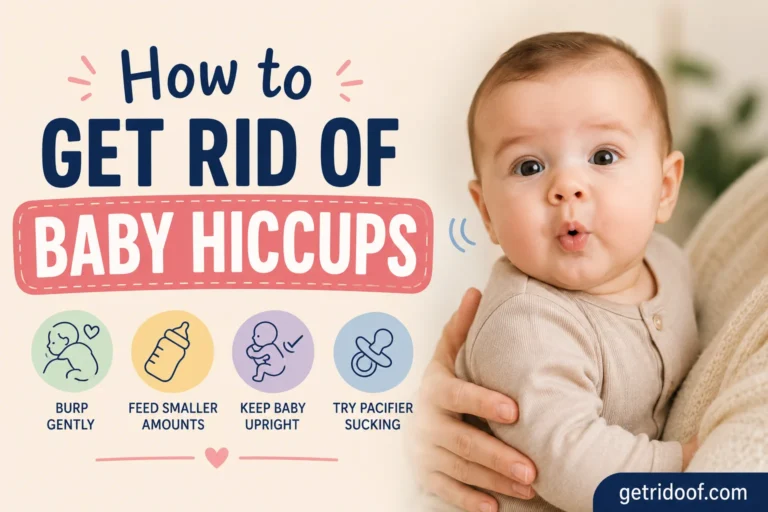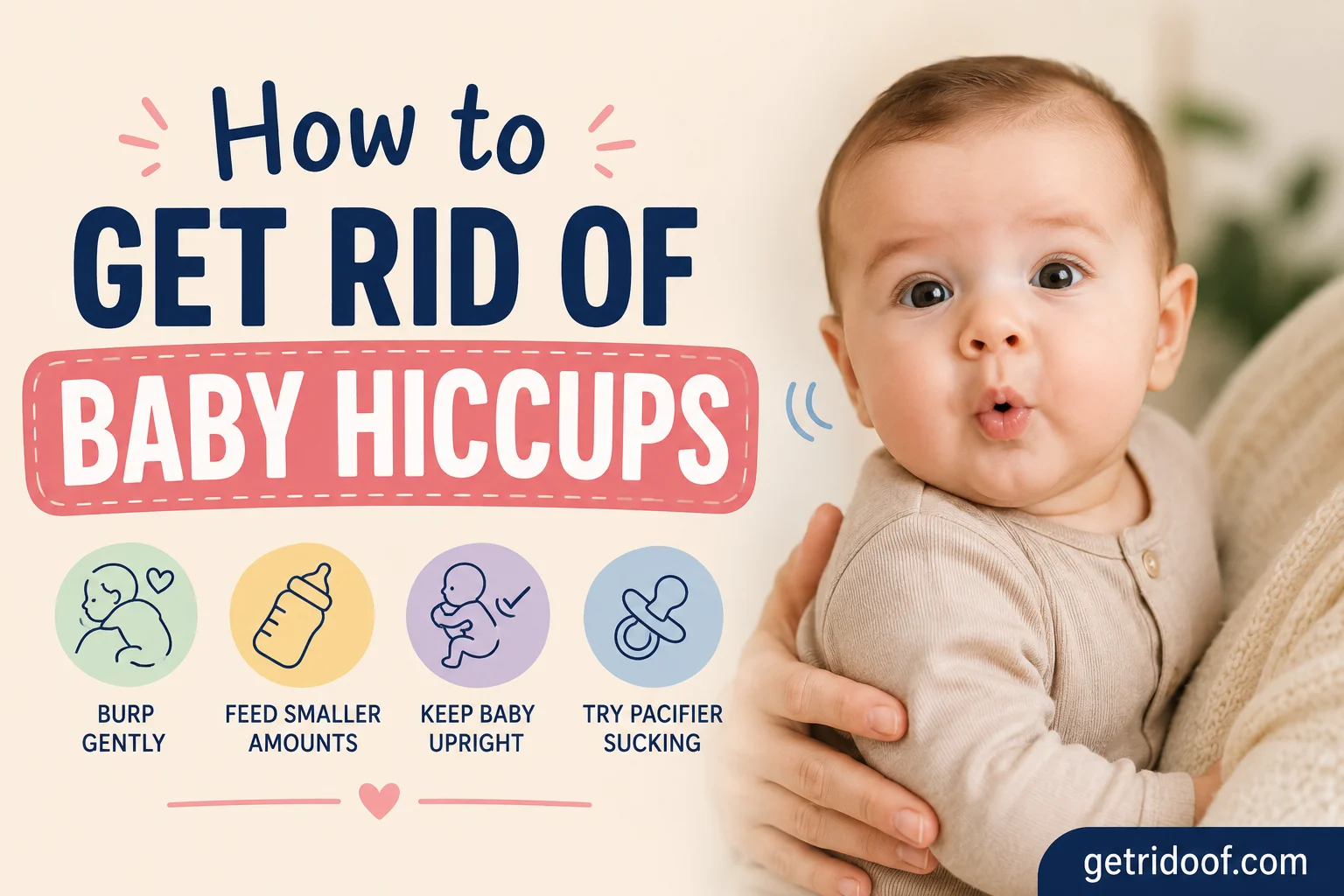
Every new parent knows that moment. You’ve got your baby settled. Feeding is going well. Then, hic! Baby hiccups are here. If you’re wondering how to get rid of baby hiccups, you’re not alone. It’s one of the most common concerns among new parents, and the good news is that it’s almost always harmless.
This guide covers all you need to know. It includes causes, remedies, prevention tips, and when to see your doctor. Let’s make those little hiccups disappear.
What Are Baby Hiccups, and Are They Normal?
Baby hiccups are completely normal. In fact, they are a sign of healthy growth and development.
A hiccup occurs when the diaphragm, the big muscle at the bottom of the lungs, suddenly contracts or spasms. This forces air through the vocal cords, which snap shut and produce that familiar “hic!” sound. Since a baby’s diaphragm is still maturing, these spasms happen more often than in adults.
Here’s something surprising: babies can start hiccupping even before they are born. Hiccups can begin as early as the second trimester of pregnancy. Many pregnant women have felt those tiny flutters in their belly — that’s often baby hiccupping in the womb.
Why Do Newborns Get Hiccups So Often?
Newborn hiccups are especially frequent because their digestive systems are still developing. Several common triggers can set them off.
The most common causes include:
- Overfeeding — when the stomach expands too quickly, it pushes against the diaphragm
- Swallowing air during breastfeeding or bottle feeding
- Feeding too fast — gulping milk causes extra air intake
- Sudden temperature changes — feeding something warm then cold (or vice versa)
- Excitement or overstimulation — yes, even a burst of laughter can trigger hiccups!
- Gastroesophageal reflux (GERD) — stomach acid flowing back up and irritating the diaphragm
Hiccups can be puzzling. Even doctors say the diaphragm can spasm without any clear cause.
How to Get Rid of Baby Hiccups: 8 Remedies That Actually Work
When your baby starts hiccupping and seems bothered, try these pediatrician-approved methods.
1. Take a Break from Feeding and Burp Your Baby
The first and most effective step when your baby gets hiccups during a feed is to pause and burp them.
Gently pat or rub your baby’s back to release trapped air. This relieves pressure on the diaphragm and often stops hiccups quickly. For bottle-fed babies, burp after every 2–3 ounces. For breastfed babies, burp when switching from one breast to the other.
2. Try Different Burping Positions
Not all burping positions work the same for every baby. Here are three proven techniques:
- Over the shoulder: Hold the baby upright against your chest. Rest their chin on your shoulder, then gently pat their back.
- Sit them upright on your lap. Use one hand to support their chest and head. Pat their back gently with your other hand.
- Face-down across your lap — lay baby tummy-down across your knees and gently rub or pat their back
Experiment to find which works best for your little one.
3. Offer a Pacifier
A pacifier is a surprisingly effective tool to stop infant hiccups. Sucking helps relax the diaphragm. This can calm the spasms that cause hiccups. It also soothes and distracts baby if the hiccups are making them fussy.
If the baby isn’t hungry and has hiccups, a pacifier is usually the fastest fix.
4. Change Baby’s Feeding Position
How you hold your baby during feeding makes a big difference. Try keeping baby in a more upright position, with their head higher than their tummy.
This reduces the chance of air getting trapped in the stomach. After feeding, keep baby upright for at least 20–30 minutes. Avoid bouncing or laying them flat immediately after a meal.
5. Feed Baby More Slowly
If your baby tends to gulp milk quickly, try slowing things down. For bottle-fed babies, use a slow-flow nipple to reduce the speed of milk flow. For breastfed babies, allow baby to pace themselves and take breaks.
Feed your baby when they are calm and not too hungry. This helps avoid frantic gulping, which can lead to swallowing extra air.
6. Rub Baby’s Back in a Circular Motion
Gently rub your baby’s back in circles while rocking them. This can help relax their diaphragm. This soothing method helps release trapped air and calms a distressed baby.
A relaxed baby is less likely to keep hiccupping. This method works well when combined with an upright position.
7. Try Gripe Water (With Caution)
Gripe water is a herbal liquid remedy that some parents swear by for infant hiccups and colic. It usually has herbs like ginger, fennel, and chamomile. These can help ease stomach discomfort.
However, there is limited scientific evidence to support its use for hiccups. Gripe water isn’t advised for babies under 6 months. Extra liquids may disrupt their nutrition. Always consult your pediatrician before using it.
8. Use Gentle Distraction
Sometimes, getting baby to smile or laugh can actually stop stubborn hiccups. Play a gentle game, make funny faces, or softly sing to them. A relaxed, happy baby often stops hiccupping all on their own.
Remember — babies are very in tune with your emotions. If you stay calm and relaxed, they’re more likely to calm down too.
How to Get Rid of Baby Hiccups at Night
Nighttime hiccups can be really annoying, especially when you’re trying to get your baby to sleep. Here’s what to do:
- Don’t rush to lay baby flat after an evening feed — keep them upright for 20–30 minutes
- Offer a pacifier to soothe the diaphragm before sleep
- Rub their back gently while holding them in a slightly reclined position
- Wait it out — most hiccup episodes resolve within 5–10 minutes on their own
Many babies can sleep through hiccups without waking up. If hiccups aren’t bothering your baby, there’s no need to intervene.
What NOT to Do When Your Baby Has Hiccups
Some popular “remedies” seem safe, but they should be avoided for babies.
Never do these things:
- ❌ Startle the baby — this is a common myth; it doesn’t work and can cause distress
- ❌ Hold your baby’s nose or cover their mouth
- ❌ Press on their belly with force
- ❌ Give water or other liquids to babies under 6 months
- ❌ Use adult hiccup remedies — these are not safe for infants
Adult tricks like holding your breath or drinking a glass of water don’t translate to babies. Stick to gentle, pediatrician-approved methods only.
You Can Also Read
- How to Get Rid of a Sinus Headache Instantly
- How to Get Rid of Poison Ivy Rash Overnight: 12 Fast Natural Remedies
- How Do I Get Rid of a Stye Overnight?
How Long Do Baby Hiccups Last?
In most cases, baby hiccups last 5 to 10 minutes and stop on their own without any intervention. Some episodes may last a little longer, but they typically resolve within 20–30 minutes.
Babies under 12 months tend to hiccup frequently — sometimes multiple times a day. This is completely normal. As your baby grows and their diaphragm matures, hiccups naturally become less frequent. By around 6 months, most parents notice a significant reduction.
Baby Hiccups and Reflux: What’s the Connection?
Frequent hiccups in babies can be linked to gastroesophageal reflux (GERD) or acid reflux. When stomach contents go back up into the esophagus, they can irritate the phrenic nerve. This nerve controls the diaphragm, causing hiccups to happen over and over.
Signs that hiccups may be related to reflux:
- Baby is spitting up more than usual
- Baby cries or arches their back during or after feeding
- Baby seems uncomfortable or in pain
- Hiccups happen very frequently and last a long time
If you notice these signs alongside infant hiccups, speak with your pediatrician. Reflux is easily treatable, and catching it early makes a big difference.
How to Prevent Baby Hiccups Before They Start
Prevention is always better than cure. These simple feeding habits can significantly reduce how often your baby gets hiccups.
Smart prevention tips:
- ✅ Feed baby upright — keep their head higher than their stomach during feeds
- ✅ Burp frequently — don’t wait until the end of a feed; burp mid-feed too
- ✅ Use the right bottle nipple — a slow-flow nipple reduces gulping in bottle-fed babies
- ✅ Check baby’s latch — a poor latch during breastfeeding leads to excess air intake
- ✅ Avoid overfeeding — feed smaller amounts more frequently
- ✅ Keep baby calm during feeds. Don’t wait until they’re very hungry. Frantic feeding can lead to swallowing air.
- ✅ Avoid temperature extremes — try not to alternate very hot and very cold foods
These habits really help newborns. They often get hiccups.
When to Call the Doctor About Infant Hiccups
Newborn hiccups are usually harmless. However, there are times when it’s smart to seek a professional opinion.
Call your pediatrician if:
- Hiccups last longer than a few hours with no sign of stopping
- Your baby seems to be in pain or significant discomfort
- Hiccups are disrupting sleep or feeding consistently
- Hiccups are accompanied by spitting up, vomiting, or back-arching
- Hiccups continue frequently past your baby’s first birthday
Your doctor can check for issues like GERD and suggest treatment if necessary.
Frequently Asked Questions About How to Get Rid of Baby Hiccups
Do Hiccups Mean My Baby Is Full?
Not necessarily. Hiccups can happen for many reasons. Overfeeding is one common cause. Other reasons include swallowing air, temperature changes, or excitement. Hiccups alone are not a reliable sign that baby is full.
Can I Lay My Baby Down When They Have Hiccups?
Yes, you can. As long as baby is not showing signs of breathing difficulty or distress, it’s safe to lay them down. Keep them upright for 20–30 minutes after feeding. This helps prevent discomfort.
Can I Feed My Baby While They Have Hiccups?
Yes, you can continue feeding a baby with hiccups. In fact, continued sucking can sometimes stop the hiccups. If hiccups make it hard for the baby to latch or feed, take a quick break. Burp them, then try again.
Should I Be Worried If My Baby Hiccups a Lot?
In most cases, no. Frequent hiccups are perfectly normal for babies under 12 months. If your baby hiccups often after 12 months and seems upset, or if hiccups happen with vomiting, back arching, or feeding issues, talk to your pediatrician.
Is There a Science Behind Baby Hiccups?
Yes! A 2019 study showed that baby hiccups might play a key role in brain development. The hiccup reflex may help the baby’s brain learn to regulate breathing. So those little “hics” may be doing more good than you think!
Conclusion: How to Get Rid of Baby Hiccups the Right Way
Learning how to get rid of baby hiccups is one of those small but meaningful parenting wins. Most newborn hiccups just need a bit of patience. A good burping session or a pacifier can help calm them down.
Your baby’s diaphragm is still developing, and hiccups are simply part of the process. You can cut down on them with good feeding habits, keeping them upright, and using gentle remedies. This way, you can also stop them fast when they occur.
Stay calm and try the tips in this guide. Remember, those little hiccups mean your baby is growing just right. 💛
Quick Reminder: If you’re worried about your baby’s hiccups or any other symptoms, just ask your pediatrician. They are your best resource. Never hesitate to reach out.
Article reviewed for accuracy. Always consult a qualified healthcare professional for medical advice specific to your baby.
About the Author