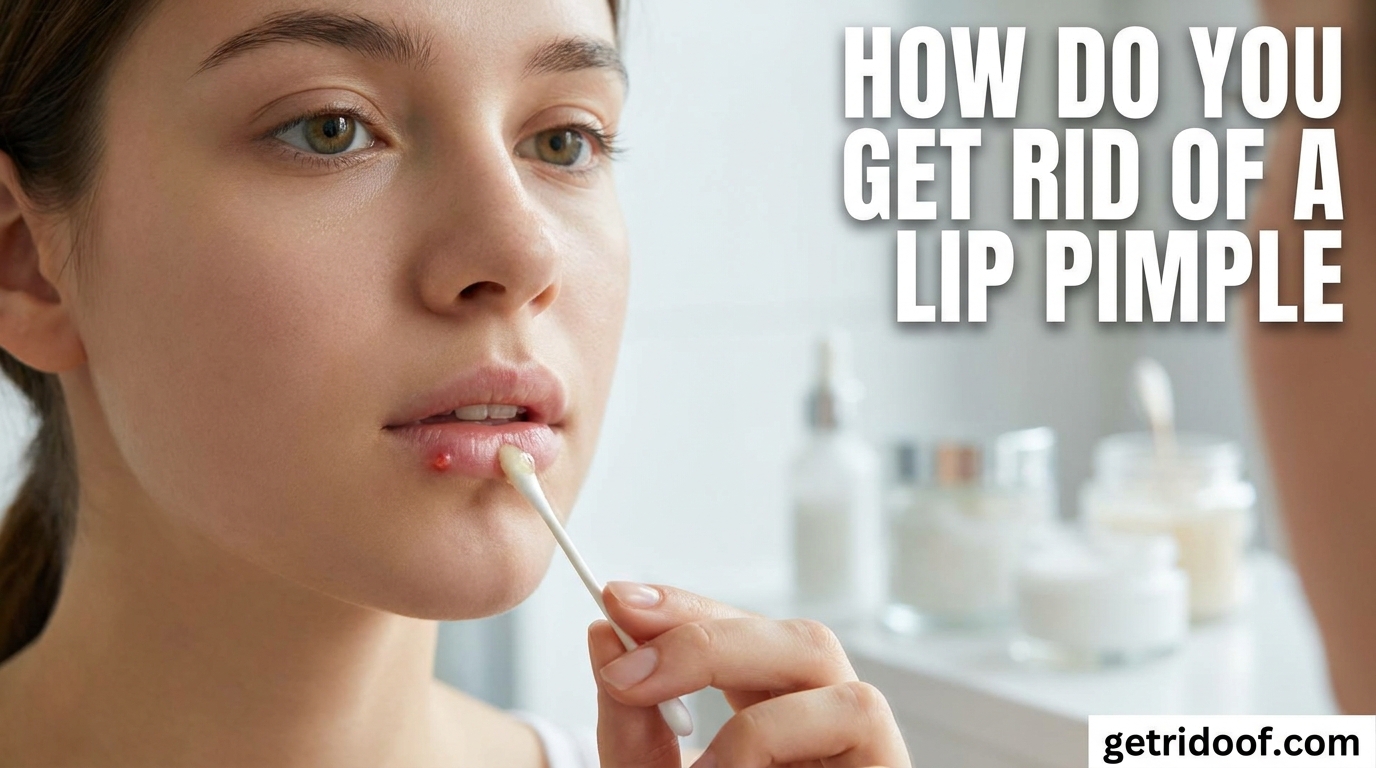
A lip pimple is one of the most uncomfortable and frustrating skin problems you can deal with. It sits right where you talk, eat, and smile — making it impossible to ignore. If you’ve ever woken up to a painful red bump near your mouth, you’re not alone. Millions of people ask the same question every day: how do you get rid of a lip pimple?
This guide gives you every answer. Get fast home remedies, proven OTC treatments, causes, prevention tips, and when to see a doctor—all in simple, easy-to-follow language.
What Is a Lip Pimple?
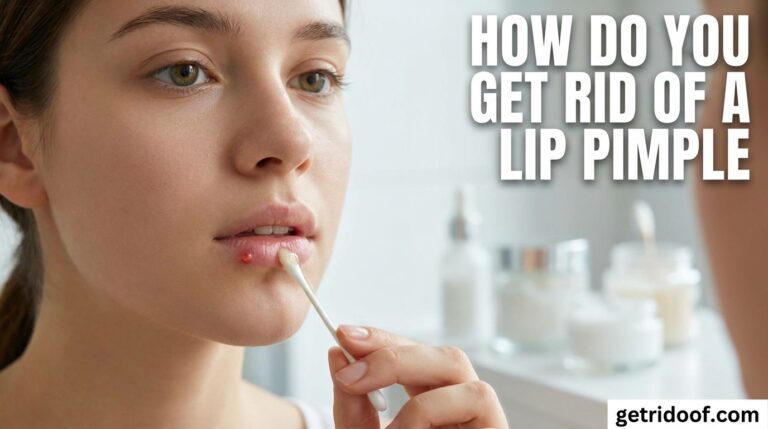
A lip pimple is a type of acne that forms along the lip line, around the corners of the mouth, or just above or below the lips. It looks like a red, sometimes painful bump — and it may have a white or yellow head.
Lip pimples form the same way pimples form anywhere else on your face. A hair follicle gets clogged with oil, dead skin cells, or bacteria. Your skin becomes inflamed, and a pimple appears.
The skin around your lips is thin and sensitive. This makes lip pimples hurt more than regular ones. Movement from talking, eating, and drinking makes the irritation worse.
Lip Pimple vs Cold Sore vs Fordyce Spots: What’s the Difference?
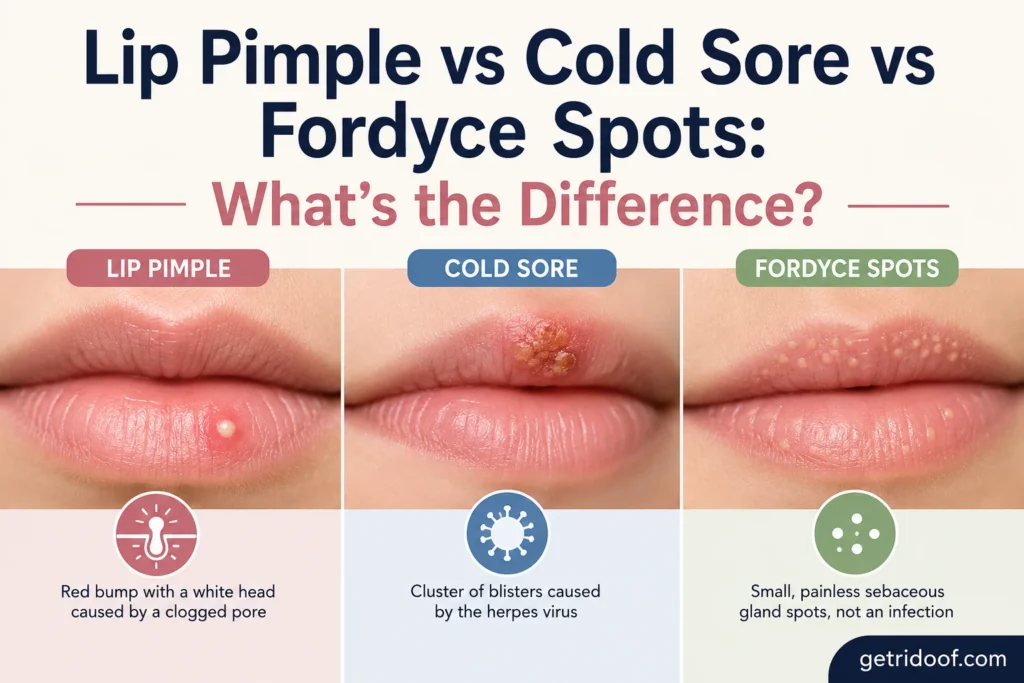
Before treating anything, you need to make sure what you actually have. Many people confuse a lip pimple with a cold sore or Fordyce spots.
Lip Pimple
- Appears as a single red or white bump along the lip line
- Caused by clogged pores and bacteria
- May be painful when touched
- Does not tingle or itch before appearing
Cold Sore
- Starts with a tingling or burning sensation before the bump appears
- Appears as a cluster of tiny fluid-filled blisters
- Caused by the herpes simplex virus (HSV-1)
- Contagious — avoid kissing or sharing utensils
Fordyce Spots
- Tiny, pale, painless white or yellowish dots on or near the lips
- Not acne — they are harmless enlarged oil glands
- Do not need treatment unless for cosmetic reasons
Knowing the difference matters. A cold sore needs antiviral treatment, not an acne cream. If you’re unsure, see a doctor before treating.
What Causes a Pimple on the Lip?
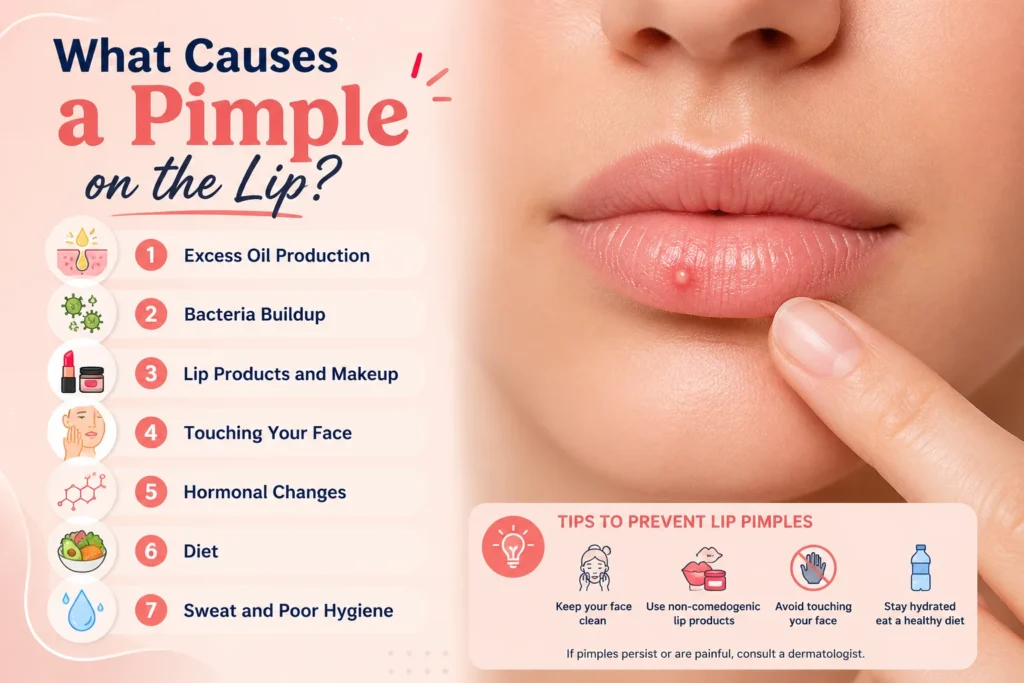
Understanding the root cause helps you treat it faster and stop it from coming back. Here are the most common reasons a pimple forms on or around your lip:
1. Excess Oil Production
Your skin naturally produces oil (sebum) to stay moisturized. But too much oil can clog your pores. The lip area has a high concentration of oil glands, making it more prone to breakouts.
2. Bacteria Buildup
When bacteria get trapped inside a clogged pore, they cause inflammation. This is what turns a blocked pore into a painful, red pimple.
3. Lip Products and Makeup
Some lip balms, lipsticks, lip liners, and glosses have comedogenic ingredients. These can include petroleum jelly, fragrances, or heavy waxes, which may clog pores. Regular use of these products can trigger pimples along the lip line.
4. Touching Your Face
Your hands carry bacteria and dirt all day. Every time you touch your lips or the skin around your mouth, you transfer those germs directly to your skin.
5. Hormonal Changes
Hormonal changes during puberty, menstruation, pregnancy, or stress make your body produce more oil. This is why many people notice pimples on the chin, jawline, and lip area at certain times of the month.
6. Diet
Eating sugary foods, dairy, or unhealthy fats can lead to more acne for some people. Staying hydrated and eating a balanced diet supports healthier skin overall.
7. Sweat and Poor Hygiene
Sweat from exercise, not washing your face, or sleeping in makeup can clog pores near your mouth. This can lead to breakouts.
How Do You Get Rid of a Lip Pimple at Home?
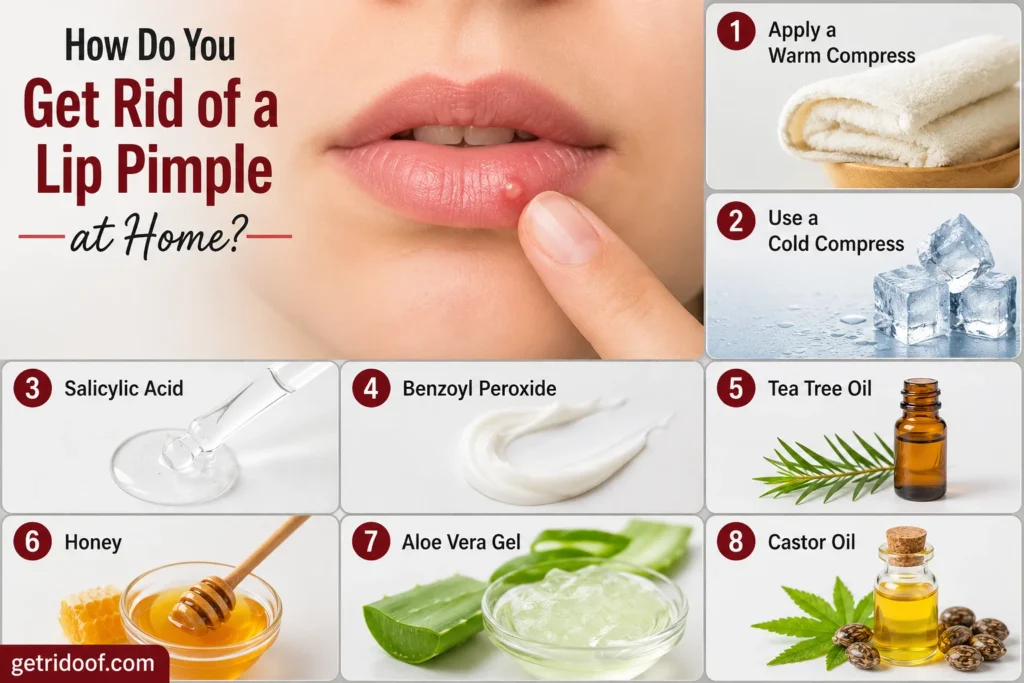
So, how do you get rid of a lip pimple without a trip to the doctor? Good news — most lip pimples can be treated effectively at home. Here are the most reliable methods:
1. Apply a Warm Compress
A warm compress is one of the best first steps for any lip pimple. Soak a clean cloth in warm water and press it gently on the pimple for 10 to 15 minutes. Do this two to three times a day.
The warmth increases blood flow to the area, helps draw out impurities, and speeds up healing. This works especially well if your pimple has a visible whitehead.
2. Use a Cold Compress
A cold compress helps reduce swelling, redness, and pain — especially on day one of a new pimple. Wrap an ice cube in a clean cloth and hold it against the pimple for one to two minutes, twice a day.
Never apply ice directly to bare skin. It can cause irritation or even a minor cold burn.
3. Salicylic Acid
Salicylic acid is a well-known and powerful ingredient for fighting acne. You can get it without a prescription. It works by:
- Unclogging blocked pores
- Reducing inflammation
- Drying out the pimple
Look for a cleanser or spot treatment with 2% salicylic acid. Apply it carefully to the lip area — this skin is sensitive, so less is more.
4. Benzoyl Peroxide
Benzoyl peroxide kills the bacteria that cause pimples. It’s available in cleansers, creams, and gels at most pharmacies. Use it once or twice daily as directed.
Be cautious near the mouth — rinse off any product that gets on your lips. It can bleach fabrics, so rinse your face thoroughly before using a towel.
5. Tea Tree Oil
Tea tree oil has natural antibacterial and anti-inflammatory properties. Dilute a few drops with a carrier oil like coconut or jojoba oil. Apply a small amount to the pimple using a cotton swab.
Do a patch test first if you have sensitive skin. Some people experience irritation or allergic reactions from undiluted tea tree oil.
6. Honey
Raw honey has natural antibacterial properties and can help reduce swelling. Dab a tiny amount directly on the pimple and leave it for 15 to 20 minutes before rinsing off with warm water. Repeat two to three times a day.
7. Aloe Vera Gel
Aloe vera soothes irritated skin and reduces redness. Apply a small amount of pure aloe vera gel to the pimple and leave it on for 10 to 15 minutes. It’s gentle enough for daily use.
8. Castor Oil
Castor oil contains ricinoleic acid, which has anti-inflammatory properties. It may help reduce pain and swelling. Apply one or two drops to the pimple and leave overnight. Rinse off in the morning.
How Do You Get Rid of a Lip Pimple Overnight?
When you want fast results, here are the quickest options:
- Ice compress at night — reduces swelling while you sleep
- Salicylic acid spot treatment — apply a thin layer before bed and let it work overnight
- Benzoyl peroxide gel — kills bacteria while you sleep; use a small, precise amount
- Castor oil overnight mask — anti-inflammatory and gentle enough for nighttime use
- Avoid touching it — the less you touch, the faster it heals
There is no magic fix that removes a pimple in one night. But these steps will noticeably reduce redness and swelling by morning.
Can You Pop a Lip Pimple?
No — you should not pop a lip pimple.
Popping or squeezing a pimple forces bacteria deeper into the skin. This causes:
- More inflammation and redness
- A longer healing time
- Possible scarring
- Risk of infection
Dermatologists strongly advise against it. If you spot a whitehead close to the surface, a warm compress might help bring it to a head. But be careful and always use clean hands.
You Can Also Read
- How to Get Rid of Cold Sores
- How to Get Rid of Lip Lines: Effective Treatments and Prevention Tips
- How to Get Rid of FUPA
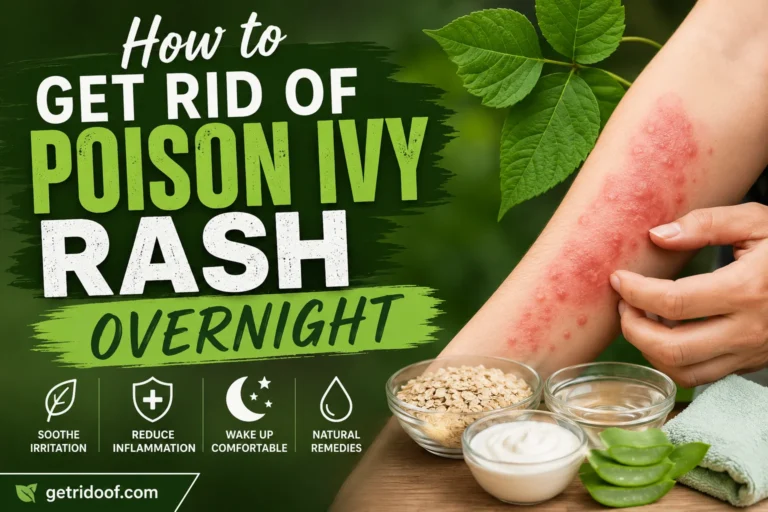
- How to Get Rid of Poison Ivy Rash Overnight: 12 Fast Natural Remedies
How Long Does a Lip Pimple Last?
Most lip pimples heal within 3 to 7 days with proper at-home care. Without treatment, they can last up to two weeks.
Pimples that are deeper (like cystic acne) may take longer — sometimes two to four weeks. See a dermatologist if your lip pimple keeps growing, doesn’t improve in two weeks, or comes back in the same spot.
Over-the-Counter Products That Help
When home remedies aren’t enough, these OTC products are widely recommended:
| Product Type | Key Ingredient | How It Helps |
| Spot treatment | Salicylic acid (2%) | Unclogs pores, reduces swelling |
| Acne cream/gel | Benzoyl peroxide | Kills acne-causing bacteria |
| Face wash | Salicylic acid or gentle cleanser | Removes dirt and excess oil |
| Toner | Witch hazel | Reduces inflammation, tightens pores |
| Moisturizer | Non-comedogenic formula | Hydrates without clogging pores |
Always choose products labeled “non-comedogenic” — this means they won’t clog your pores.
When Should You See a Doctor?
Most lip pimples don’t require a doctor’s visit. But see a dermatologist if:
- The pimple lasts more than two weeks with no improvement
- It keeps getting bigger
- You’re having frequent breakouts around the lip area
- The pimple is very painful, deep, or cystic
- Over-the-counter treatments are not working
A dermatologist might give you topical retinoids, oral antibiotics, or stronger meds. It depends on how severe your acne is.
Medical Treatments for Persistent Lip Pimples
For stubborn or recurring cases, a dermatologist may recommend:
- Topical prescription medications — retinoids, azelaic acid, or prescription-strength salicylic acid
- Oral antibiotics — reduce bacteria and inflammation from the inside
- Hormonal therapy — for women whose breakouts are linked to hormonal cycles
- Chemical peels — exfoliate the skin deeply and unclog pores
- Comedone extraction — professional, sterile removal of whiteheads or blackheads
- Isotretinoin — reserved for severe, treatment-resistant acne only
Only licensed dermatologists can provide these options. Don’t try them at home.
How to Prevent Lip Pimples From Coming Back
Once you know how to get rid of a lip pimple, the next goal is keeping them away. These habits make a real difference:
Daily Skincare Habits
- Wash your face twice a day with a gentle, alcohol-free cleanser
- Remove all makeup before going to bed — never sleep with lipstick or lip liner on
- Use a non-comedogenic moisturizer every day
- Exfoliate gently once or twice a week to prevent dead skin buildup
Smart Lip Product Choices
- Check the ingredients in your lip balm and lipstick
- Avoid products with heavy petroleum jelly, fragrances, or artificial dyes
- Replace old lip products regularly — bacteria can build up in applicators
Lifestyle Changes
- Stop touching your face throughout the day
- Clean your phone screen regularly — it presses against your face and lips
- Change your pillowcase at least once a week
- Stay hydrated and eat a balanced diet low in sugar and dairy
- Exercise regularly — but always wash your face immediately after sweating
Manage Stress
High stress increases cortisol, which triggers more oil production. Regular exercise, good sleep, and stress management, like meditation, can lower hormonal breakouts over time.
Frequently Asked Questions
Q: Can lip balm cause lip pimples?
Yes. Using too much lip balm, especially thick petroleum-based ones, can clog the pores around your lips. Choose a lightweight, non-comedogenic lip balm instead.
Q: Is a pimple on the lip contagious?
No. A lip pimple caused by bacteria and clogged pores is not contagious. However, cold sores (which look similar) are contagious. Always confirm what you have before ruling it out.
Q: Does toothpaste work on lip pimples?
This is a common myth. Toothpaste can irritate and dry out the skin around your lips, making things worse. Stick to proven treatments like salicylic acid instead.
Q: Can stress cause lip pimples?
Yes. Stress boosts cortisol, leading to more oil production. This can cause breakouts on the chin, jawline, and lip area.
Q: Are lip pimples a sign of something serious?
In most cases, no. Lip pimples are a common, benign skin condition. If you have frequent or painful breakouts, see a dermatologist. They can help check for underlying issues, like hormonal imbalances.
Conclusion: How Do You Get Rid of a Lip Pimple?
The short answer: treat it early, be consistent, and don’t pop it. Start with easy steps: use a warm or cold compress, apply a salicylic acid spot treatment, and keep the area clean. Most lip pimples will clear up within a week with the right care.
If home remedies fail, try over-the-counter products. Look for those with benzoyl peroxide or salicylic acid. They’re your next best option. And for stubborn, recurring pimples, a dermatologist can provide stronger prescription options.
Now that you know how to treat a lip pimple, you’re ready for the next breakout. You can handle it quickly and prevent it from returning. Healthy skin starts with consistent care, the right products, and a little patience.
About the Author