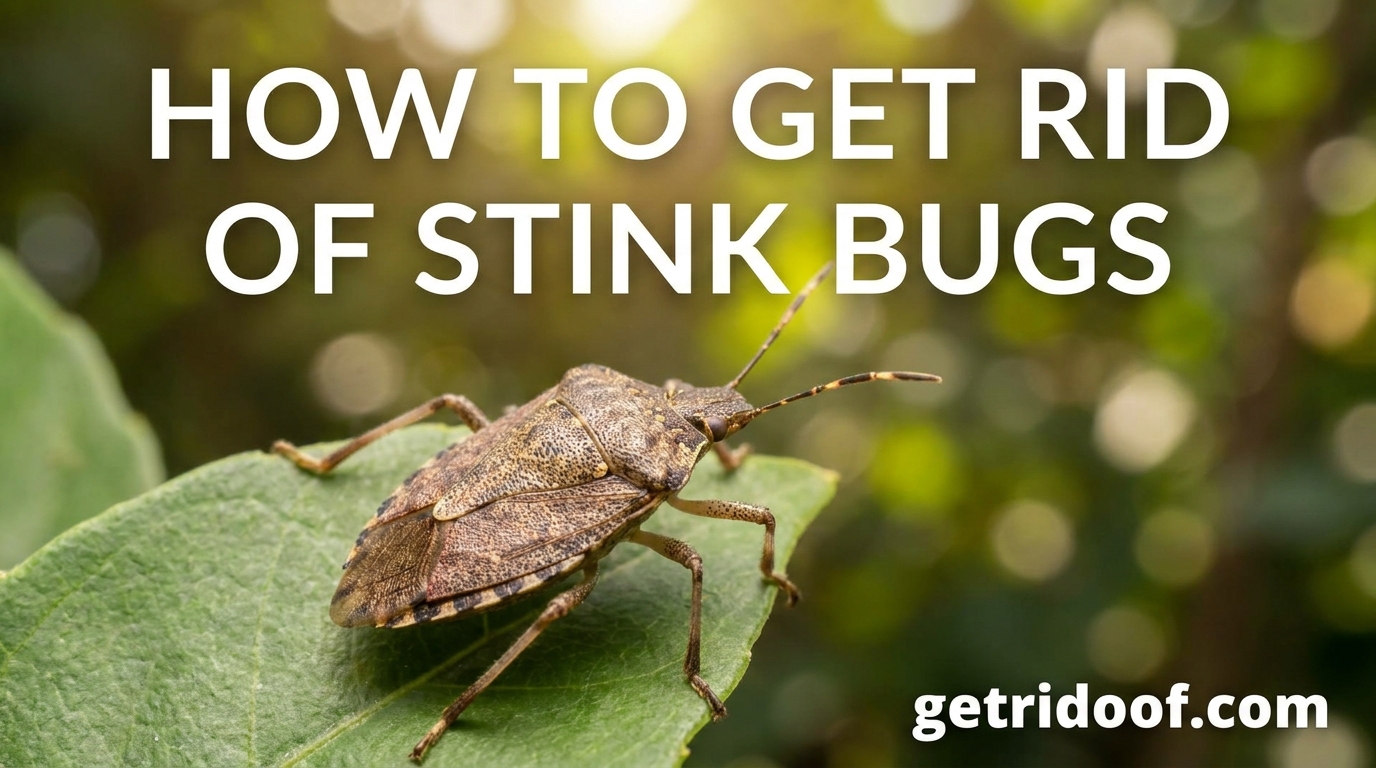
If you’ve walked into your home and seen a small, shield-shaped bug on the wall, you know the issue. Stink bugs are a major hassle in American homes. If you don’t handle them properly, they can multiply quickly. This guide covers everything you need to know about how to get rid of stink bugs, keep them out for good, and protect your home and garden all year long.
What Are Stink Bugs and Why Are They in Your Home?
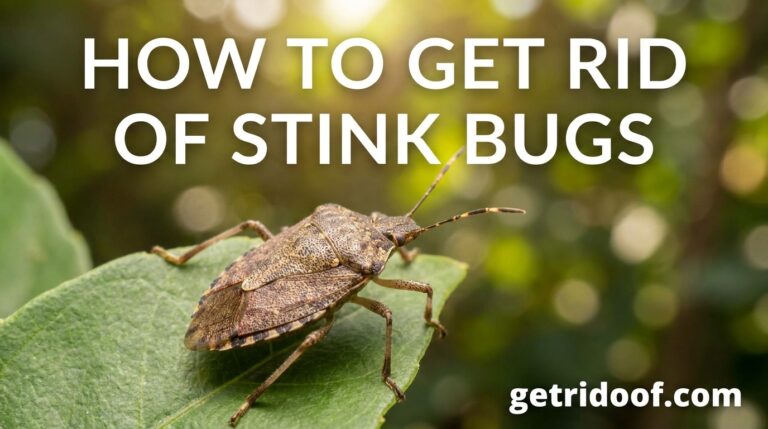
The Brown Marmorated Stink Bug (BMSB) is the most common species. It came from Asia and was introduced to Pennsylvania in the late 1990s. Since then, it has spread to more than 40 U.S. states.
Stink bugs got their name from a bad-smelling chemical. It comes from glands on their sides. They release this odor when they feel threatened — or when you accidentally squish one.
They are about 5/8 of an inch long, brown or grayish in color, and have a distinctive shield-shaped body. They don’t bite, they don’t eat your food, and they won’t damage your furniture. But their smell? That’s another story.
Why Do Stink Bugs Come Inside?
Stink bugs are cold-blooded insects. As summer fades and fall arrives, pests look for warmth. Your home becomes a prime spot for them to spend the winter.
They sneak in through:
- Cracks around windows and doors
- Gaps in siding or utility pipes
- Torn window screens
- Chimneys and roof openings
Once inside, they hide quietly in walls, attics, and crawl spaces. When spring comes and temperatures rise, they come back. That’s when many homeowners see the issue.
How to Get Rid of Stink Bugs Inside Your Home
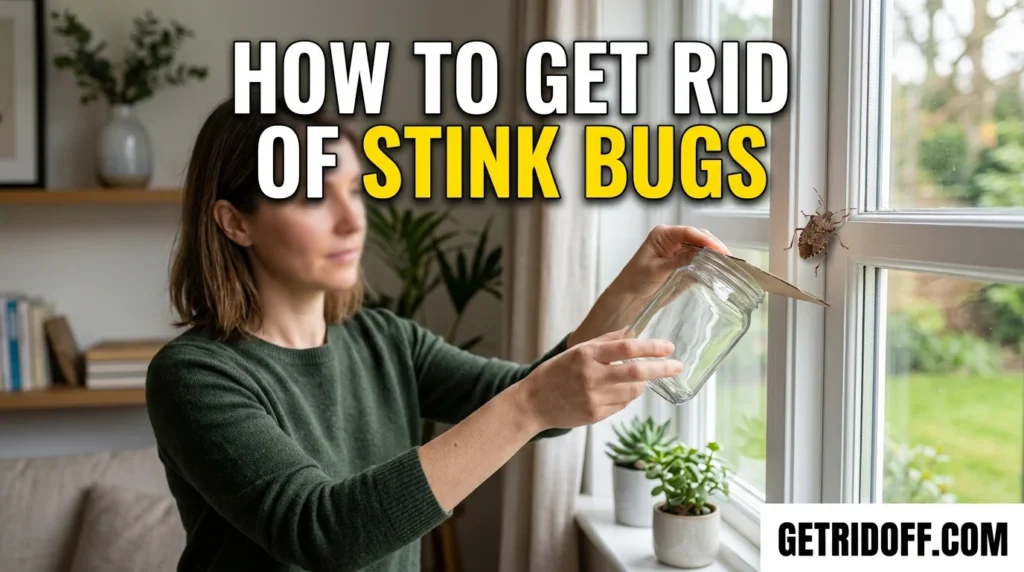
Getting stink bugs out of your house requires a calm, strategic approach. The most important rule: do not squish them. When you crush a stink bug, it releases a strong odor. This smell sticks to whatever it touches.
1. Use a Vacuum Cleaner
One of the quickest and easiest ways to remove stink bugs is vacuuming them up. Use a vacuum with a narrow nozzle to suck them out of corners, walls, and window sills.
Important tips:
- Empty the vacuum bag immediately after use
- Avoid using a bagless vacuum unless you can clean it thoroughly right away
- Dead stink bugs leave a residue inside the bag that will make your vacuum smell
A better trick is to wrap a knee-high stocking around the vacuum tube. Secure it with a rubber band. Then, push it inside the tube. The bugs get trapped in the stocking — not inside the vacuum filter.
2. Make a DIY Stink Bug Trap
Researchers at Virginia Tech discovered that a simple homemade trap is 14 times more effective than expensive store-bought traps. Here’s how to make one:
- Fill a foil roasting pan with water and a few drops of dish soap
- Place a light source directly over the pan
- Set it in a dark room overnight
Stink bugs are attracted to light. They fly toward it, fall into the soapy water, and drown. The dish soap breaks the surface tension of the water so they can’t escape.
3. Use a Soapy Water Spray
If you prefer a hands-on method, mix the following in a spray bottle:
- Equal parts hot water, dish soap, and white vinegar
Spray it directly on stink bugs. This solution kills them on contact and makes it harder for them to move. It’s completely chemical-free and safe to use indoors.
4. Capture and Dispose of Them
If you only have a few stink bugs, you can catch them without making a mess:
- Gently place a plastic bag over the bug and flip it inside out
- Use an empty water bottle — flick the bug in and tighten the lid
- Take the sealed container outside and dispose of it
In cold weather, bugs left in a sealed container outside will freeze and die on their own.
5. Use a Commercial Insecticide Indoors (With Caution)
For serious indoor infestations, some insecticides can help. Products like Cyper WSP and Demon WP work well to get rid of stink bugs if used properly.
Note: Avoid applying insecticide dust inside wall voids. Dead bugs in walls can attract other pests like carpet beetles and create an even bigger problem.
How to Get Rid of Stink Bugs Outside Your Home
Controlling stink bugs outdoors is just as important as dealing with them inside. The fewer bugs gather on your walls and in your garden, the fewer will find their way in.
1. Apply an Exterior Insecticide Spray
In early fall, before it gets below 50°F, spray your home’s outside with stink bug insecticide. Focus on:
- South and west-facing walls (they absorb the most sun)
- Around window frames and door frames
- Areas near the roofline
Cover as much surface area as possible for the best results.
2. Use Neem Oil on Garden Plants
Stink bugs enjoy eating fruits and veggies. They especially like apples, peaches, tomatoes, peppers, and beans. Neem oil is a natural pesticide that disrupts their feeding and breeding cycle.
Spray it directly on plants early in the morning or in the evening. This helps protect helpful insects, like bees.
3. Try Diatomaceous Earth
Diatomaceous earth is a natural powder made from fossilized algae. Stink bugs crawl through it. This breaks down their protective waxy layer. As a result, they lose moisture and dehydrate.
Sprinkle it near the foundation, around windows, and at entry points. It’s non-toxic to humans and pets.
4. Remove Outdoor Hiding Spots
Stink bugs love to hide in piles of leaves, wood, and plant debris. To reduce their numbers near your home:
- Remove leaf piles and garden debris regularly
- Store firewood away from the house
- Trim overgrown shrubs and weeds near the foundation
How to Prevent Stink Bugs from Entering Your Home
Prevention is the most powerful tool when it comes to stink bug control. If you can stop them from getting in, you won’t have to worry about removing them later.
Seal Every Entry Point
In late summer, do a full inspection of your home’s exterior. Look for:
- Cracks around siding, pipes, and windows
- Gaps around utility line entry points
- Loose or broken window screens
- Openings near the chimney or roof
Use caulk or weatherstripping to seal any openings you find. Even the tiniest crack is an open invitation.
Install Door Sweeps and Window Screens
Check that all exterior doors have working door sweeps at the bottom. Install tight-fitting screens on all windows. These two simple upgrades make a huge difference.
Manage Outdoor Lighting
Stink bugs are attracted to light — especially white and bright lights. To reduce their attraction to your home:
- Turn off porch lights in the evening
- Close window blinds to prevent indoor light from spilling outside
- Switch to yellow bulbs for outdoor lighting, which are less attractive to insects
Reduce Moisture Around the House
Like many pests, stink bugs are drawn to moisture. Fix any leaky pipes, unclog drains, and ventilate damp areas like:
- Basements
- Attics
- Crawl spaces
- Garages
Using a dehumidifier in these areas can make a significant difference.
Natural Stink Bug Repellents That Actually Work
To avoid chemicals, you can try natural repellents. Many pest control experts recommend these options.
Essential Oils
Certain essential oils are highly effective at repelling stink bugs:
- Peppermint oil — the most popular natural repellent
- Lemongrass oil — another strong deterrent
- Neem oil — works as both a repellent and contact killer
Mix 10–15 drops of any of these oils with water in a spray bottle. Spray around window frames, doors, and any possible entry points. Reapply every few days for best results.
These are safe, non-toxic, and leave your home smelling fresh — not chemical.
Kaolin Clay for Garden Plants
If stink bugs are damaging your garden, kaolin clay is an effective organic solution. When sprayed on plants, it forms a thin film. This film makes it hard for stink bugs to feed comfortably. It washes off easily with water and doesn’t harm the plants or soil.
You Can Also Read
- How to Get Rid of Flies: Natural Remedies and Chemical Solutions
- How to Get Rid of Mice
- How to Get Rid of Gnats
When to Call a Professional for Stink Bug Control
Most stink bug problems can be handled with DIY methods. But there are times when calling a licensed pest control professional is the right move.
Signs You Need Professional Help
- You’re finding hundreds or thousands of stink bugs inside your home
- Bugs are emerging from inside the walls or ceiling
- DIY traps and sprays aren’t making a noticeable dent
- You can’t identify or seal all the entry points yourself
What Pest Control Services Do
A licensed exterminator will:
- Inspect your home inside and out
- Identify all entry points and seal them
- Apply professional-grade insecticides to the exterior
- Recommend follow-up treatments if needed
Professional stink bug treatment usually costs between $150 and $500. The price varies based on your home’s size and how bad the infestation is.
Frequently Asked Questions About Stink Bugs
Do Stink Bugs Bite Humans?
No. Stink bugs do not bite humans or pets. Their mouthaparts are designed for piercing plant material, not skin. The only real threat they pose to humans is their smell.
What Do Stink Bugs Hate?
Stink bugs hate:
Strong smells like peppermint, lemongrass, and garlic
Dry environments — they prefer moisture
Sealed homes with no entry points
Soapy water — kills them on contact
Does Killing a Stink Bug Attract More?
Yes — to a degree. When a stink bug feels threatened, it releases a pheromone that can signal others. However, the stronger concern is squishing one, which releases the chemical odor. It’s better to capture and remove them without crushing.
When Is Stink Bug Season?
Stink bugs are most active from late summer to fall, which is August to November. They look for warm spots to spend the winter. They re-emerge in spring (March to May) as temperatures warm up.
Are Stink Bugs Harmful to Gardens?
Yes. Stink bugs cause significant damage to fruit and vegetable crops. They pierce plant tissue to suck out the juices. This leaves scars and deformed fruits. Farms in the mid-Atlantic have faced millions in crop damage. This started when the brown marmorated stink bug arrived in the U.S.
Quick Summary: Best Methods to Get Rid of Stink Bugs
| Method | Best For | Cost |
| DIY Soapy Water Trap | Indoor removal | Very low |
| Vacuum + Stocking Trick | Quick indoor clean-up | Free |
| Exterior Insecticide Spray | Fall prevention | Low–Medium |
| Caulking & Sealing | Long-term prevention | Low |
| Essential Oils | Natural repellent | Low |
| Diatomaceous Earth | Outdoor & entry points | Low |
| Professional Treatment | Severe infestations | Medium–High |
Conclusion on How to Get Rid of Stink Bugs
Stink bugs are a nuisance, but they are absolutely manageable with the right approach. Act early, preferably before fall. Seal your home, reduce outdoor lighting, and apply preventive treatments around entry points.
If bugs are inside, use a vacuum, a soapy water trap, or a gentle capture method. This way, you can remove them without causing their smell to spread. For ongoing protection, use natural repellents like peppermint oil and diatomaceous earth. They are affordable, effective, and safe for families and pets.
Start with one or two methods today. With a little consistency, you can get rid of stink bugs and keep them out of your home for good.
Have a stink bug method that worked great for you? Share it with others who are dealing with the same problem.
About the Author