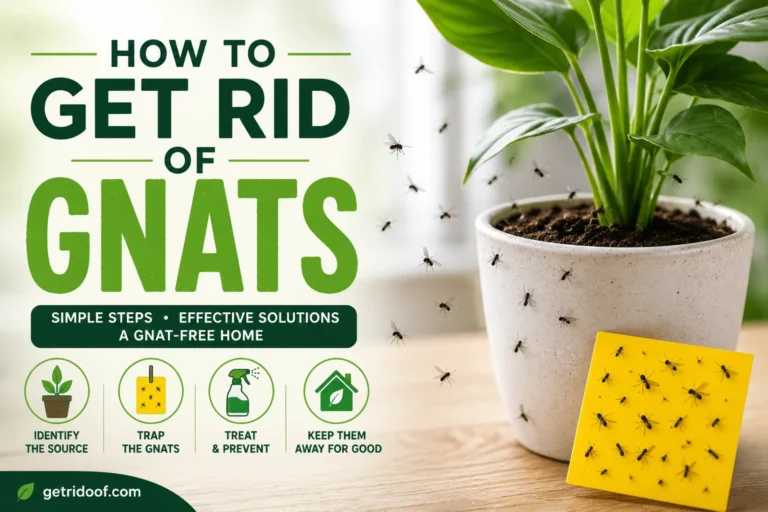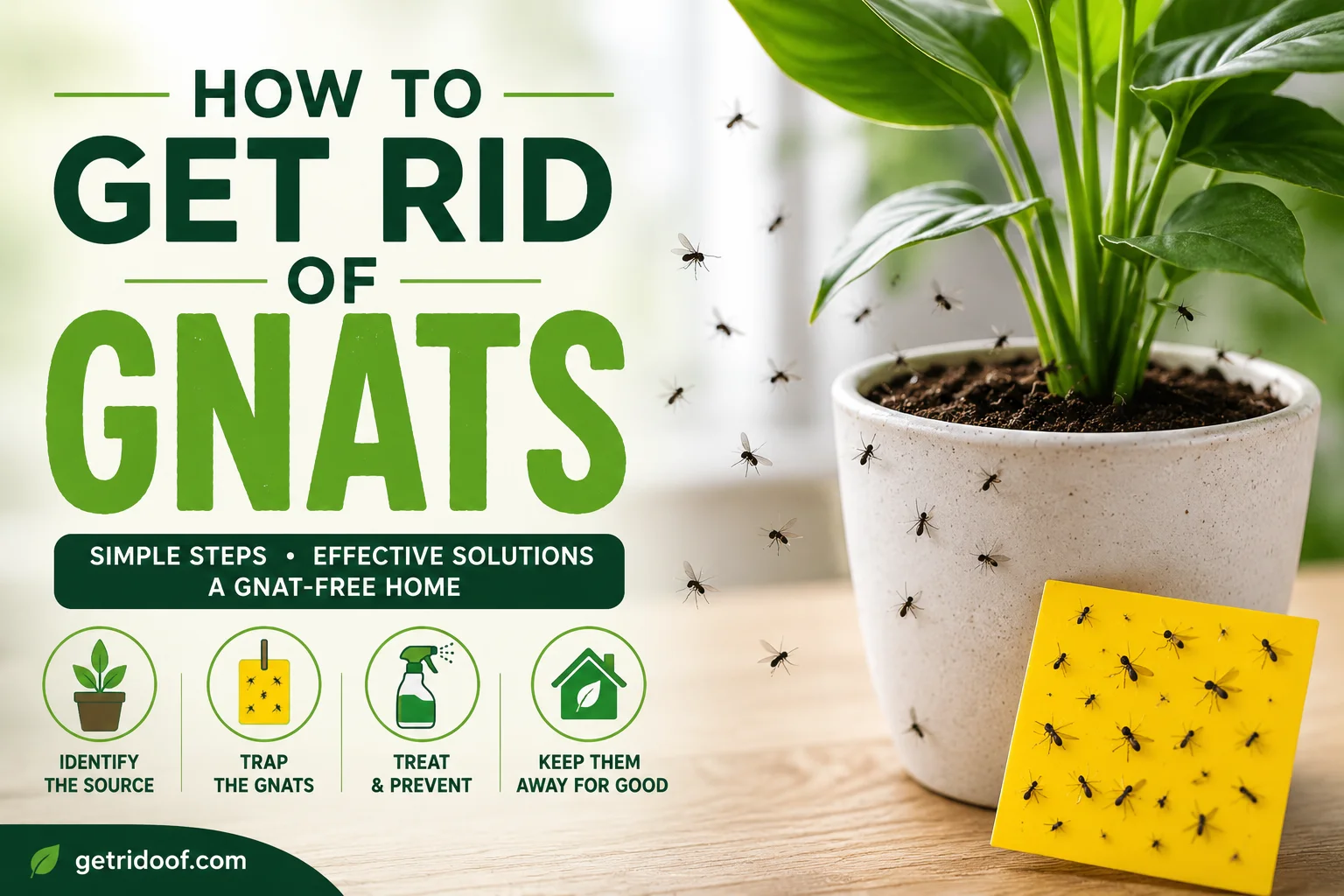
Gnats can turn a peaceful home into a buzzing nuisance. These tiny flying insects often appear suddenly near the kitchen, houseplants, or drains. If you’re dealing with them right now, you’re not alone. Many people search for how to get rid of gnats every year, especially during warmer months or when houseplants are thriving.
The good news? You can solve this problem with simple steps. This guide shares how to identify gnats, use effective traps, and find prevention tips. It also offers long-term solutions. Follow these methods and you’ll see results in days.
Why Gnats Keep Coming Back: Understanding the Problem
Gnats multiply fast because of their short life cycle. Most complete their development from egg to adult in about 17 to 21 days in warm conditions. Females lay dozens or even hundreds of eggs in moist, organic material.
Killing the adults you see is not enough. You must remove their breeding sources. Otherwise, new gnats keep hatching. Common breeding spots include overwatered plant soil, kitchen drains, rotting fruit, and garbage.
Identify Your Gnat Type: Fruit Flies, Fungus Gnats, or Drain Flies?
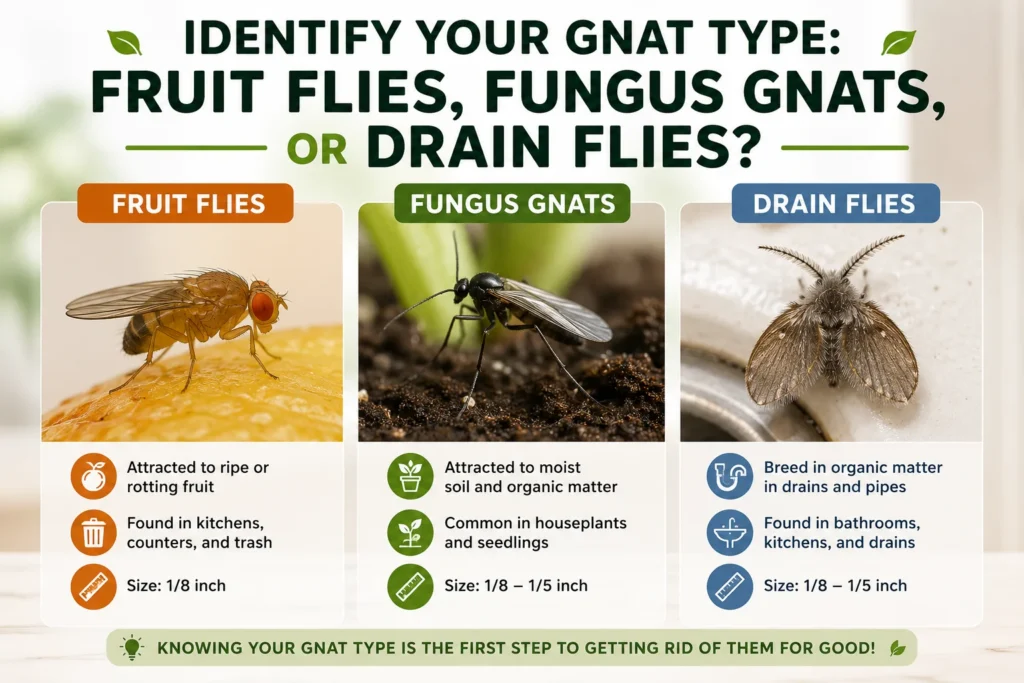
Knowing the exact type helps you target the right solution. People often use “gnats” for several small flies.
Fruit flies are small, brownish, with bright red eyes. They hover around ripe or rotting fruit, vegetables, and trash.
Fungus gnats look like tiny mosquitoes. They have long legs and dark bodies. You usually see them flying near houseplants or soil.
Drain flies (also called moth flies) have hairy wings and bodies. They stay close to sinks, showers, and drains where slime builds up.
A quick test: Fruit flies fly up quickly when disturbed. Fungus gnats are weaker fliers and often stay low near soil. Drain flies move in short hops and look fuzzy.
Common Causes of Gnat Infestations in Your House
Gnats enter homes through open windows, on new plants, or from outside. Once inside, they look for moisture and organic matter.
- Overwatered houseplants create perfect fungus gnat homes.
- Forgotten ripe fruit or leaking trash bags attract fruit flies.
- Slow or smelly drains build up biofilm for drain flies.
- Damp basements, bathrooms, or compost bins also invite them.
High humidity and bad ventilation worsen issues, especially in kitchens and plant areas.
How to Get Rid of Gnats Naturally: The Best DIY Methods
Natural solutions work well for most home infestations. They are safe around kids and pets when used correctly.
1. Apple Cider Vinegar Trap (The Most Popular Method)
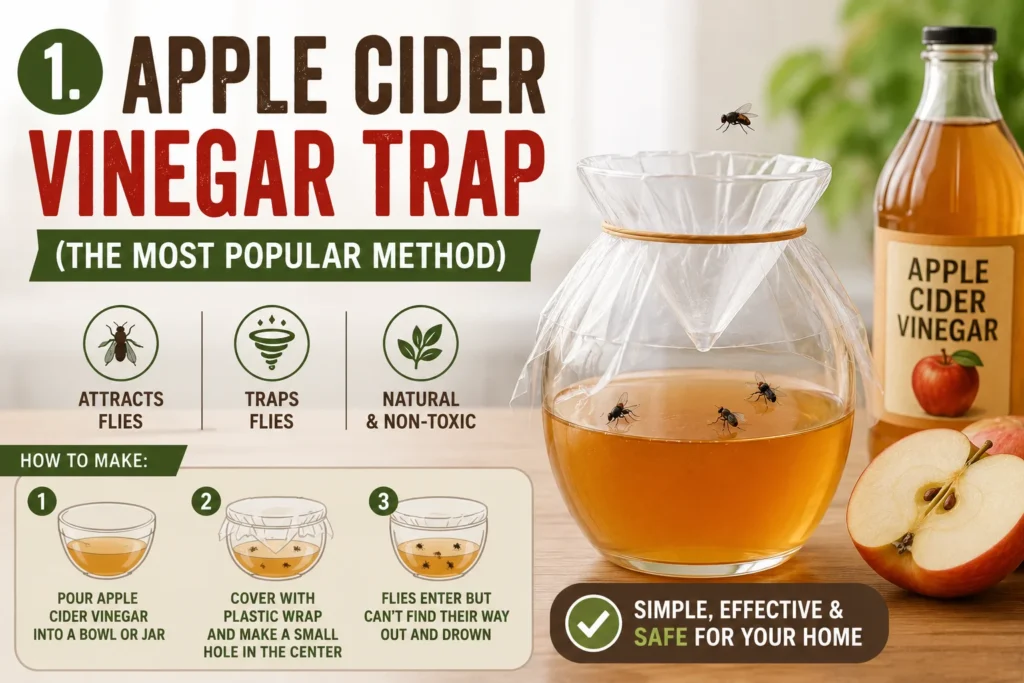
This trap catches adult gnats fast.
How to make it:
- Fill a small bowl or jar with ¼ to ½ cup apple cider vinegar.
- Add 2-3 drops of dish soap (this breaks the surface tension so gnats drown).
- Optional: Add a teaspoon of sugar to make it more attractive.
- Cover with plastic wrap and poke small holes. Or leave it open.
Place traps near problem areas. Replace every 2-3 days. Many people see dozens of gnats caught overnight.
Red wine or overripe fruit pieces also work in similar traps.
2. Sticky Traps for Quick Adult Control
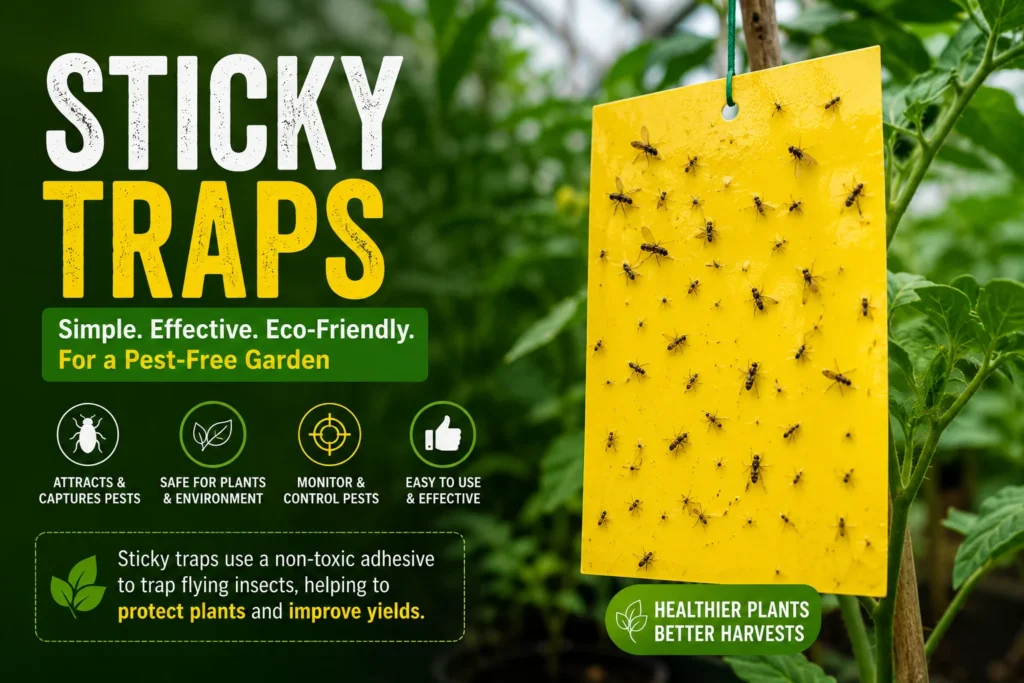
Yellow sticky traps attract and catch flying adults. Cut them into strips and place them in plant soil or near windows. They are especially good for fungus gnats.
3. Clean Drains Thoroughly
For drain flies, pour boiling water down the drain daily for a week. Follow with a mix of baking soda and vinegar. Let it fizz, then flush with hot water. This removes the slimy film where eggs and larvae live.
4. Hydrogen Peroxide Soil Drench
For fungus gnats in plants, mix 1 part 3% hydrogen peroxide with 4 parts water. Water the soil with this solution. It kills larvae on contact and adds oxygen to the roots. Use once a week until the problem stops.
Yellow Gnat Traps
Yellow sticky traps are one of the easiest and best ways to control gnats. Bright yellow cards attract adult gnats. They get stuck to the sticky surface.
Why Yellow Traps Work
Gnats are naturally attracted to yellow colors. Once they land on the trap, they cannot escape.
How to Use Yellow Gnat Traps
- Place traps near infested plants.
- Insert them directly into the potting soil.
- Replace traps when they become covered with insects.
Yellow sticky traps are excellent for monitoring infestations and reducing adult populations quickly.
Light Traps
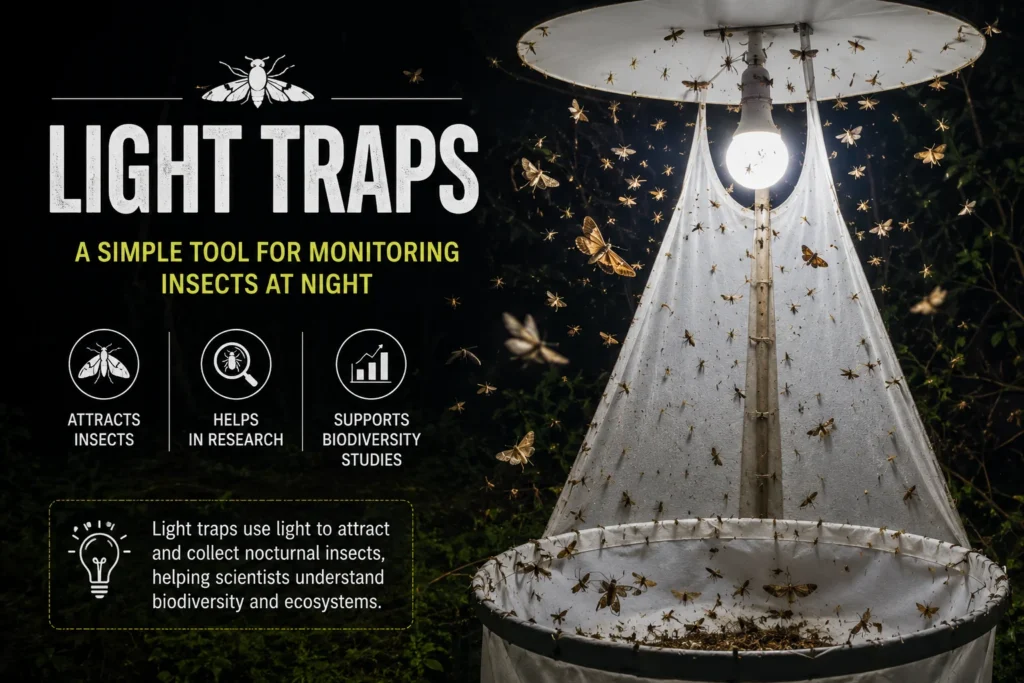
Light traps use ultraviolet light to attract flying insects. Once gnats reach the light, they get stuck on a sticky surface or caught by a fan.
How to Make a DIY Light Trap for Gnats
If you don’t have a commercial trap, you can create a simple light trap at home.
Materials Needed
- Small lamp or LED light
- Shallow bowl
- Water
- Dish soap
Steps
- Fill a shallow bowl with water.
- Add a few drops of dish soap and mix gently.
- Place the bowl beneath a small lamp.
- Turn off other lights in the room.
- Leave the light on overnight.
Benefits of Light Traps
- Work continuously throughout the day and night
- Capture multiple flying insects
- Require minimal maintenance
- Safe for homes with children and pets
For best results, place light traps in areas where gnats are most active.
Cuter Traps
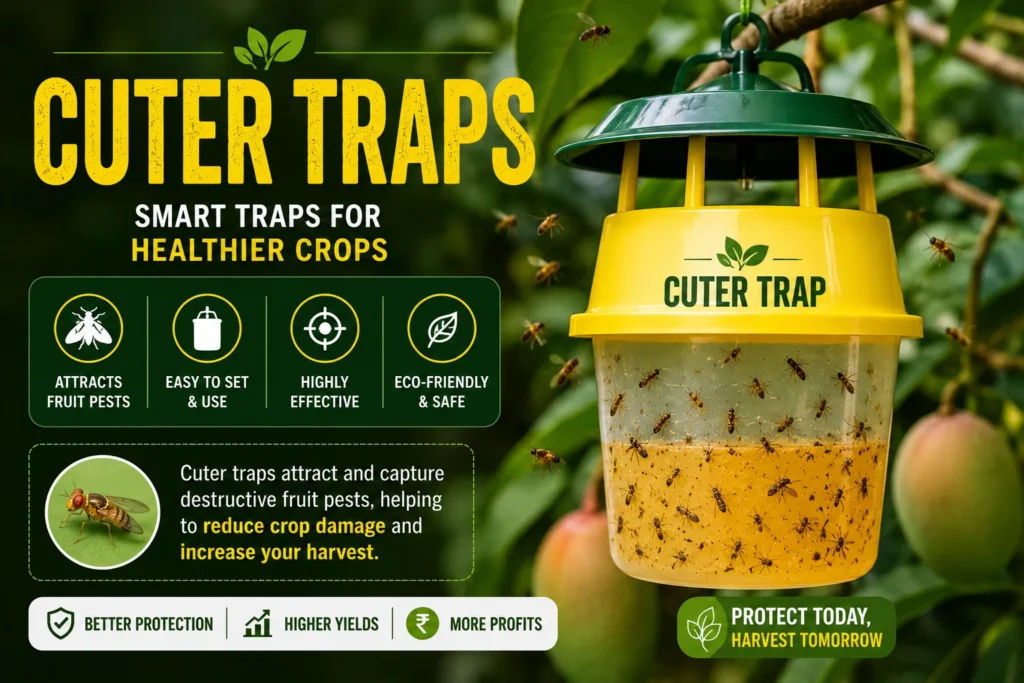
Cuter traps are popular electronic devices. They attract and capture flying pests. Homeowners often use them to control fungus gnats, fruit flies, and other small indoor bugs.
How to Make a Cuter Trap
A Cuter trap is an indoor trap for flying insects. It uses UV light and a sticky glue board to catch gnats, fruit flies, and other small pests.
Materials Needed
- Cuter insect trap device
- Sticky glue board (usually included)
- Electrical outlet
Steps
- Remove the trap from its packaging.
- Insert the sticky glue board into the designated slot.
- Plug the trap into a wall outlet near the infestation.
- Place it close to houseplants, trash cans, kitchens, or other gnat hotspots.
- Leave it running continuously, especially at night.
- Replace the glue board when it becomes full of insects.
Why People Choose Cuter Traps
- Quiet operation
- Easy setup
- Attractive design
- Effective indoor use
Position the trap near plants, kitchens, or moisture-prone areas to maximize results.
Candle Trap (Fungus Gnats and Fruit Flies)
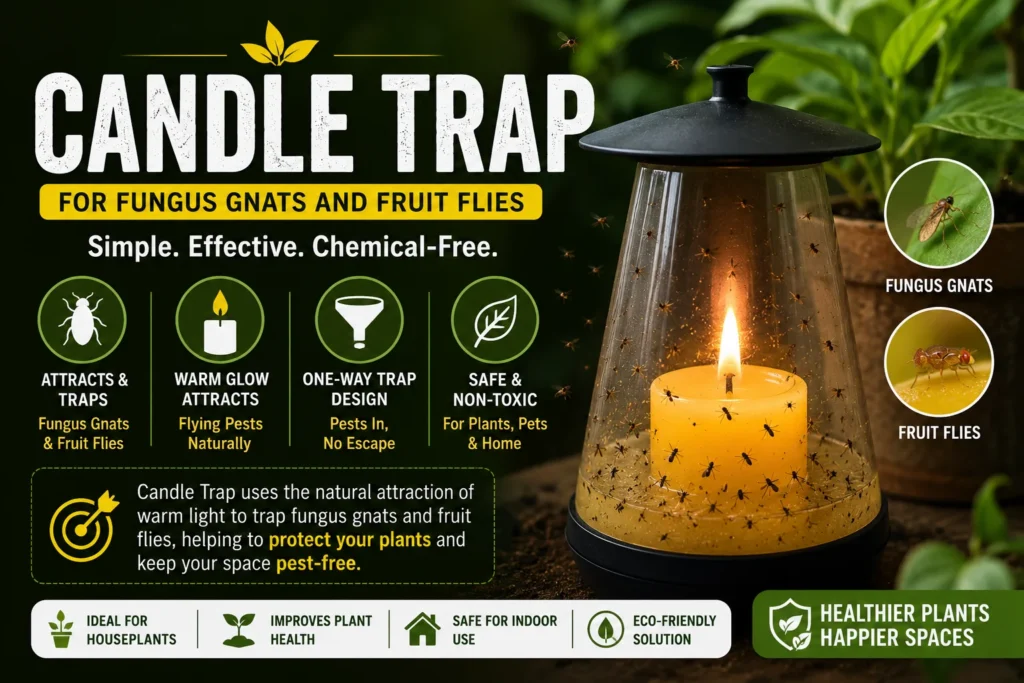
A candle trap is an inexpensive DIY solution for reducing adult gnat populations.
How a Candle Trap Works
The light from the candle attracts gnats during low-light conditions. As they fly toward the flame, many become trapped in a nearby container of soapy water.
How to Make a Candle Trap
- Fill a shallow dish with water.
- Add a few drops of dish soap.
- Place a candle in the center.
- Light the candle in a dark room.
Always monitor candles carefully and follow fire safety guidelines.
How to Get Rid of Fungus Gnats in Houseplants
Houseplant owners often face fungus gnats more than other types. The larvae feed on fungi and organic matter in wet soil.
Key steps:
- Let the top 1-2 inches of soil dry out completely between waterings. This is the most important change.
- Water from the bottom by placing pots in a tray of water for 20-30 minutes.
- Cover soil surface with a layer of sand, gravel, or diatomaceous earth to block egg-laying.
- Use Mosquito Bits (Bti) soaked in water as a soil drench. This biological control targets larvae safely.
Repot severely infested plants in fresh, sterile soil after cleaning roots gently.
Best Way to Get Rid of Gnats
If you’re searching for the most reliable answer to how to get rid of gnats, combining multiple methods typically delivers the best results.
1. Any Sticky Blue Light Traps Set Up in a Cube
Many homeowners report excellent results with sticky blue light traps. The combination of light attraction and adhesive surfaces effectively captures adult gnats.
2. Mosquito Bit Soil Treatments Every 2 Weeks
Targeting larvae is key. Killing just adult gnats won’t fully stop the infestation.
3. Relocating My House Spiders to Problem Areas
While not for everyone, spiders are natural predators of flying insects. Keeping harmless house spiders in problem areas can naturally reduce gnat numbers.
4. Bottom Watering Plants
Lowering surface soil moisture keeps gnats from laying eggs. This change can greatly reduce infestations over time.
5. Moving in a Springtail Colony
Springtails are beneficial organisms that help break down organic matter in the soil. Some gardeners notice that healthy springtail populations help balance the soil. This also reduces conditions that favor fungus gnats.
Step-by-Step 7-Day Action Plan to Get Rid of Gnats
Day 1-2: Identify the type and remove obvious sources. Throw out rotting produce. Clean counters and take out trash.
Day 3-4: Set multiple vinegar traps and sticky traps. Deep clean drains and let plant soil dry.
Day 5-7: Apply hydrogen peroxide or Bti to plant soil. Continue monitoring and replacing traps. Vacuum adult gnats if you see them.
Most people notice a big drop in numbers within one week when they follow all steps.
Prevention Tips: Keep Gnats Away for Good
Prevention is easier than treatment. Make these habits part of your routine:
- Store fruit and vegetables in the fridge or sealed containers.
- Take out garbage regularly and clean bins.
- Fix any leaky faucets or pipes.
- Use exhaust fans in bathrooms and kitchens.
- Water plants only when the top soil is dry. Use well-draining pots.
- Clean drains weekly with baking soda and vinegar.
- Keep compost bins sealed and away from the house.
Good hygiene and dry conditions make your home much less attractive to gnats.
Commercial Products Worth Considering
If natural methods are slow, try these:
- Plug-in flying insect traps with UV light and glue cards.
- Ready-made gnat traps or sprays (use carefully indoors).
- Beneficial nematodes for outdoor or large plant collections.
- Insecticidal soap for heavy plant infestations.
Always read labels and keep pets and kids away during application.
When to Call a Professional
Try DIY methods first for most cases. Call a pest control expert if:
- The problem lasts more than 2-3 weeks despite your efforts.
- You see gnats in large numbers in multiple rooms.
- You suspect a hidden leak or large breeding site in walls or under floors.
Professionals can find hidden sources and use stronger treatments safely.
Common Mistakes People Make When Trying to Get Rid of Gnats
- Only killing visible adults instead of finding the source.
- Overwatering plants while fighting fungus gnats.
- Using fruit fly traps for fungus gnats without drying soil.
- Giving up too early (it can take 2-3 weeks to break the full life cycle).
Stay consistent. Combine methods for the best results.
Outdoor Gnats: Quick Tips
Outdoor gnats breed in damp soil, mulch, and standing water. Reduce moisture, remove debris, and avoid overwatering garden beds. In severe cases, targeted outdoor sprays can help, but focus on prevention first.
Frequently Asked Questions About How to Get Rid of Gnats
What is the fastest way to kill gnats?
Apple cider vinegar traps, sticky traps, and cleaning food sources are quick methods.
Why are gnats around my plants?
Gnats are usually attracted to wet soil and decaying organic matter.
Do gnats go away on their own?
Sometimes, but usually only after food and moisture sources disappear.
Can air conditioning help with gnats?
Yes. Lower humidity levels make it harder for gnats to breed.
Are gnats worse in summer?
Yes. Warm temperatures increase breeding and activity.
Conclusion on How to Get Rid of Gnats
Getting rid of gnats takes a mix of cleaning, trapping, and prevention. Start with source removal and the apple cider vinegar trap today. You will see progress quickly if you stay consistent.
A clean, dry home with healthy watering habits keeps gnats away for good. Your kitchen and plants can be pest-free again.
Try these steps and enjoy a bug-free space. Which method will you try first? Share your results in the comments.
About the Author