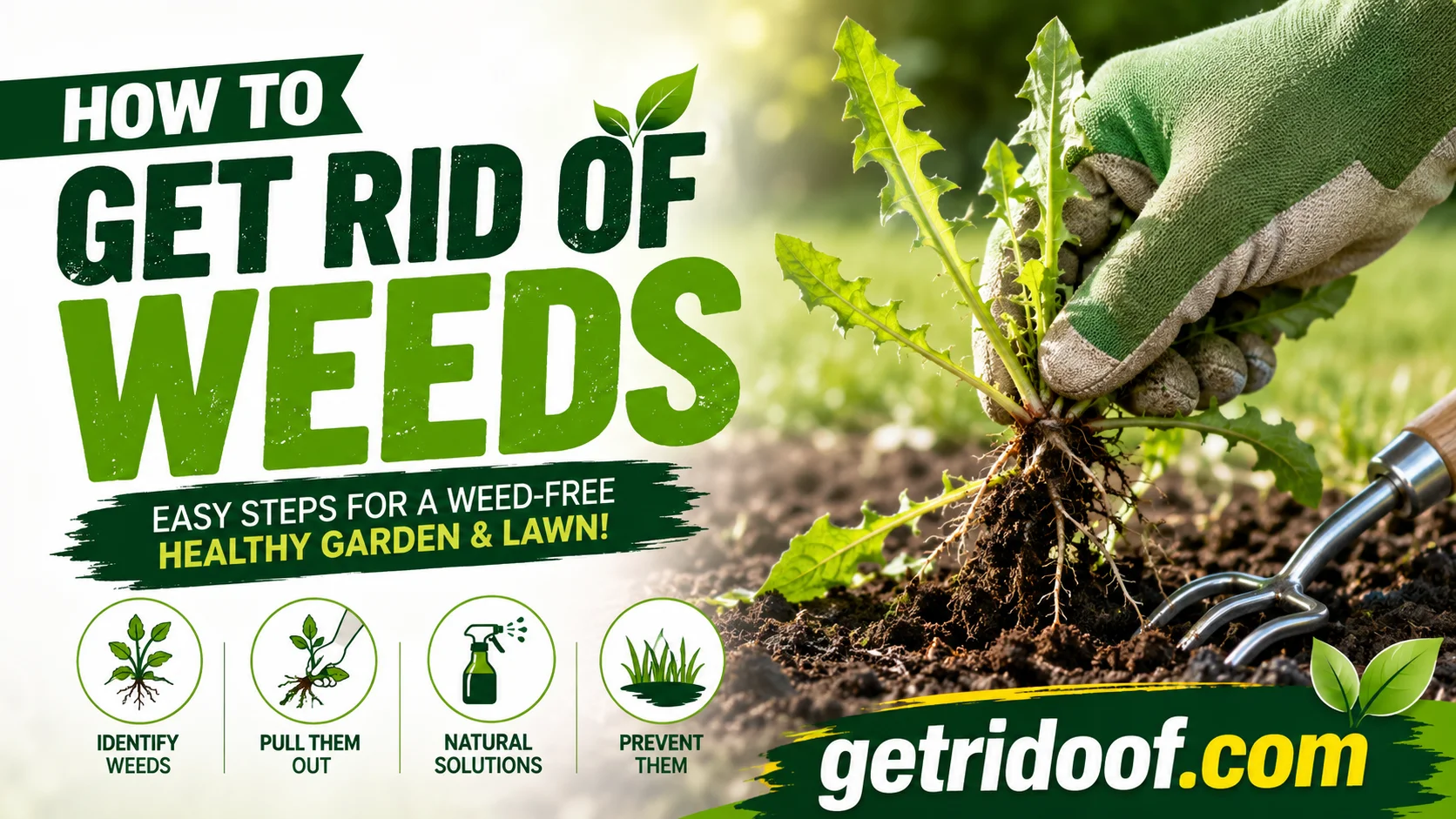
Weeds are every gardener’s worst nightmare. One day your lawn looks great. Then, it’s suddenly full of dandelions, crabgrass, and bindweed. If you’ve been searching for how to get rid of weeds once and for all, you’re in the right place.
This guide covers everything: natural weed killers, chemical herbicides, prevention tips, and seasonal strategies. No matter if you have a flower bed, vegetable garden, gravel driveway, or lawn, there’s a solution for you here.
Why You Should Never Ignore Weeds
Weeds are more than just an eyesore. They compete with your plants for water, sunlight, and soil nutrients. A single dandelion can spread hundreds of seeds. If not controlled, it can turn into dozens of plants next season.
Here’s what weeds actually do to your garden:
- Steal nutrients from your soil, leaving less for your flowers and vegetables
- Block sunlight from reaching smaller, desirable plants
- Harbor pests and diseases that can spread to healthy plants
- Reduce your lawn’s curb appeal significantly
The good news? Knowing how to get rid of weeds is simple once you understand which method works best for your situation.
Types of Weeds
Before you can effectively remove weeds, it helps to know what you’re dealing with. Weeds don’t all act alike. Different types need different ways to be removed.
Annual Weeds
Annual weeds complete their life cycle in one season. They grow, seed, and die within a single year. Common examples include crabgrass and chickweed. These are easier to control because they don’t have deep root systems.
Perennial Weeds
Perennial weeds come back year after year. They have strong, deep roots that make them harder to remove. Dandelions, bindweed, and thistle are all perennial weeds. Simply pulling the top off won’t kill them — you need to remove the entire root.
Broadleaf Weeds
These are the most recognizable weeds, with wide, flat leaves. Dandelions and clover fall into this category. Selective herbicides work especially well on broadleaf weeds without damaging your grass.
Grassy Weeds
Grassy weeds, such as crabgrass and quackgrass, resemble lawn grass. This similarity makes them tough to see. Pre-emergent herbicides are one of the most effective tools against grassy weeds.
How to Get Rid of Weeds Naturally
Many gardeners want safe, natural ways to control weeds. These methods are good for kids, pets, and the environment. The good news is that these eco-friendly methods work well if you use them regularly.
1. Pull Weeds by Hand
Hand weeding is the oldest and most reliable method. It requires no chemicals and works for almost any type of weed. The key is to pull the entire root — not just the stem.
Pro tips for hand weeding:
- Weed after rain when the soil is soft and roots pull out more easily
- Use a weeding fork or hand trowel to loosen the soil first
- Grip the weed low at the base, as close to the root as possible
- Remove weeds before they flower and go to seed
2. Use Boiling Water
One of the simplest and cheapest homemade weed killers is boiling water. Pour it directly onto weeds to scorch them right down to the roots. This works great on weeds in cracks. You can find them in driveways, patios, or between pavers.
Be careful not to pour it on surrounding plants, as boiling water kills everything it touches.
3. Vinegar as a Natural Weed Killer
Vinegar is one of the most popular natural weed killers, and for good reason — it works fast. The acetic acid in vinegar draws moisture out of weeds and kills them quickly.
- Regular white vinegar (5% acetic acid) works well on young, small weeds
- Pickling vinegar (9% acetic acid) is stronger and tackles more stubborn growth
- Horticultural vinegar (20% acetic acid) is the most powerful option for tough weeds
Simple vinegar weed killer recipe:
- 1 liter of white vinegar
- 2 tablespoons of dish soap (to help it stick to leaves)
- Optional: 1 tablespoon of table salt (avoid near plants you want to keep)
Spray directly on weeds on a sunny day. You’ll see results within 24–48 hours.
4. Salt and Water Spray
A saltwater solution is another effective and eco-safe option. Mix 1 part table salt with 2 parts water and spray directly onto weeds. Salt dehydrates weeds and prevents regrowth.
Important: Use salt only in areas where you don’t want anything to grow, such as gravel paths or driveways. Salt can affect soil health and harm nearby plants.
5. Mulching
Mulch is one of the best tools for weed prevention. It blocks sunlight from reaching the soil, which prevents weed seeds from germinating. Apply a 2–3 inch layer of organic mulch (wood chips, straw, or shredded leaves) around your plants and garden beds.
Benefits of mulching include:
- Suppresses weed growth without chemicals
- Retains soil moisture
- Regulates soil temperature
- Improves soil quality as it breaks down
Keep mulch a few inches away from plant stems to prevent rot and pest problems.
6. Smothering with Newspaper or Cardboard
To create a new garden bed or clear a large area, use newspaper or cardboard. This method works really well. Lay 5–10 sheets of newspaper or a layer of cardboard directly over the weeds. Wet it down, then cover with 2 inches of compost or mulch.
It blocks all light and kills nearly all weeds below, including many perennial types. It also improves soil quality as the cardboard decomposes.
7. Corn Gluten Meal
Corn gluten meal is a natural pre-emergent herbicide. It prevents weed seeds from germinating without harming existing plants. Apply it to your lawn and garden beds in early spring before weeds begin to sprout. It works best when applied consistently over multiple seasons.
You Can Also Read
How to Get Rid of Weeds in Your Lawn
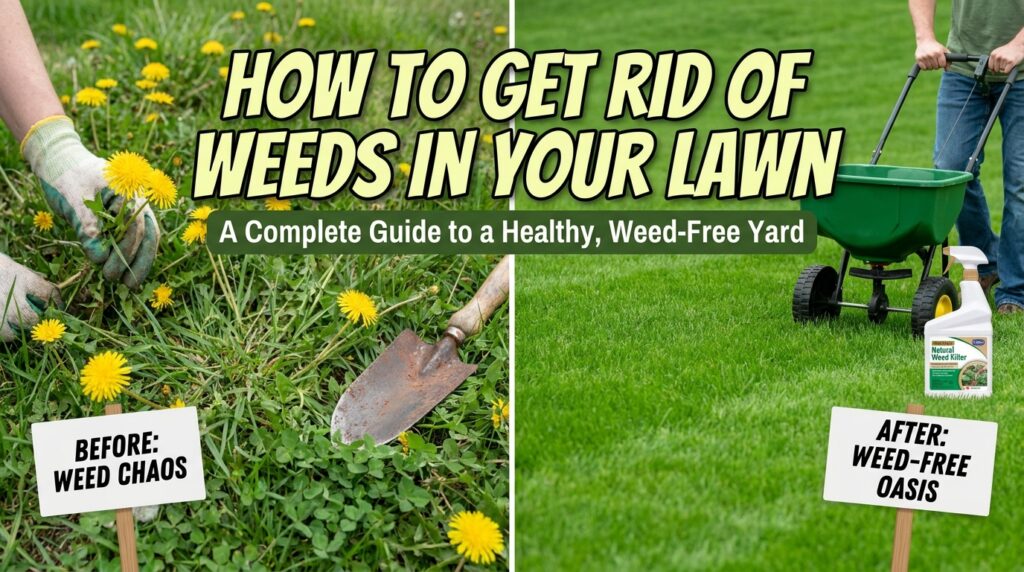
A healthy, thick lawn is the best natural defense against weeds. Weeds grow well in thin, patchy grass. They get plenty of sunlight and nutrients easily. Here’s how to get rid of weeds in your lawn specifically.
Mow Regularly at the Right Height
Mowing your lawn at the right height helps grow thick grass. This dense grass will shade out weed seeds. Most grass types grow best when cut to around 3–4 inches. Never remove more than one-third of the blade height at a time.
Overseed Bare Patches
Bare patches are open invitations for weeds. Overseed thin or bare areas to crowd out weeds before they take hold. Choose a grass seed that matches your existing lawn for best results.
Feed Your Lawn
A well-fed lawn produces thick, healthy turf that naturally suppresses weeds. Apply a balanced lawn fertilizer in spring and fall to keep your grass strong. Healthy grass is the simplest long-term weed control strategy available.
Aerate Your Soil
Compacted soil makes it difficult for grass to grow strong roots, which opens the door for weeds. Aerate your lawn once a year to loosen the soil, improve drainage, and help grass roots grow deeper.
Chemical Weed Control: When and How to Use It
Sometimes natural methods aren’t enough, especially for large infestations or deep-rooted perennial weeds. Chemical herbicides are fast and effective when used correctly.
Pre-Emergent Herbicides
Pre-emergent herbicides are applied before weeds sprout. They work by preventing weed seeds from germinating. Apply them in early spring before soil temperatures rise above 10°C (50°F). They are especially effective against grassy weeds like crabgrass.
Post-Emergent Herbicides
Post-emergent herbicides are applied directly to weeds that have already sprouted. They come in two main types:
- Selective herbicides focus on certain weeds, like broadleaf weeds, but protect your lawn.
- Non-selective herbicides — kill all vegetation they contact (useful for driveways, patios, and paths)
Safety Tips for Using Herbicides
- Always read the label before use
- Wear gloves, long sleeves, and eye protection
- Apply on calm, dry days to prevent drift onto other plants
- Keep children and pets away from treated areas until dry
- Never apply near water sources or storm drains
Roundup Alternatives
More gardeners are ditching glyphosate products like Roundup. They worry about health and environmental issues. Effective alternatives include:
- Vinegar-based commercial sprays (such as Green Gobbler 20% Vinegar Weed Killer)
- Iron-based herbicides that are safe around children and pets
- Citric acid-based sprays
- Steam weed killers (thermal weed control)
How to Get Rid of Weeds in Specific Areas
How to Get Rid of Weeds in Flower Beds
Flower beds require a gentle approach since you don’t want to harm your plants. Hand weeding combined with thick mulch is the safest and most effective strategy. For stubborn weeds, apply a selective post-emergent herbicide. Be sure to target only the weeds.
How to Get Rid of Weeds in a Vegetable Garden
In vegetable gardens, chemical herbicides are generally not recommended. Stick to hand pulling, hoeing, and mulching with straw or wood chips. Companion planting (growing plants close together) also helps crowd out weeds naturally.
How to Get Rid of Weeds in Gravel
Gravel driveways and paths are common trouble spots. The best options are boiling water, vinegar spray, or a non-selective herbicide. You can also lay landscape fabric under fresh gravel to prevent future regrowth.
How to Get Rid of Weeds in Cracks and Pavers
Treat weeds in cracks between pavers or concrete with boiling water or a strong vinegar solution. A flame weeder (a tool that uses heat to kill weeds) is also excellent for large paved areas.
Seasonal Weed Control Guide
Weed management is a year-round task. Different seasons call for different strategies.
Spring
Spring is the most critical time for weed control. Apply pre-emergent herbicide before weeds germinate. Begin hand pulling as soon as weeds appear. Add fresh mulch to garden beds.
Summer
Summer calls for regular maintenance. Hand pull or hoe weeds before they flower and seed. Spot-treat stubborn weeds with vinegar or selective herbicide. Keep your lawn thick and well-watered.
Autumn
Clear all weeds before the first frost. Weeds store energy in their roots in fall. This helps them grow in spring. If you remove them now, you’ll cut down next year’s weed problem a lot. Add a fresh layer of mulch to garden beds.
Winter
Winter is the planning season. Research which weed control methods worked best and where. Order landscape fabric, mulch, or pre-emergent products ready for spring application.
Common Questions About How to Get Rid of Weeds
Does vinegar really kill weeds permanently?
Vinegar quickly kills the top growth of weeds. However, it often doesn’t reach the roots of deep-rooted perennial weeds. Repeated applications are usually needed for full control. For permanent results on perennial weeds, combine vinegar treatment with root removal.
What kills weeds permanently?
No one method gets rid of weeds forever. New seeds keep blowing in from nearby areas. You can gain lasting control with pre-emergent herbicides, thick mulch, and regular hand weeding.
Is it better to pull weeds or spray them?
It depends on the type of weed and where it’s growing. Hand pulling is best near other plants since there’s no risk of chemical damage. Spraying is faster for large areas or hard-to-reach spots. For best results, combine both methods.
When is the best time to pull weeds?
The best time to pull weeds is after rainfall when the soil is moist and soft. This makes it much easier to remove the entire root. Early morning is also ideal since cooler temperatures make the work more comfortable.
Why do weeds keep coming back?
Weeds return because of their seeds, which can remain dormant in soil for years. Even when you clear visible weeds, thousands of seeds remain in the topsoil. They wait for the right conditions to grow. Mulching and pre-emergent treatments prevent their return. Consistency is key.
Quick Reference: Best Weed Control Methods at a Glance
| Method | Best For | Effort Level | Cost |
| Hand pulling | Small areas, all weed types | High | Free |
| Boiling water | Driveways, cracks, paths | Low | Free |
| Vinegar spray | Patios, gravel, hard surfaces | Low | Low |
| Mulching | Garden beds, prevention | Medium | Low–Medium |
| Pre-emergent herbicide | Lawns, large areas | Low | Medium |
| Selective herbicide | Lawn weeds | Low | Medium |
| Cardboard smothering | New garden beds | Medium | Free |
| Corn gluten meal | Prevention in spring | Low | Low |
Conclusion: How to Get Rid of Weeds for Good
Learning how to get rid of weeds is not about finding one perfect solution — it’s about combining the right methods for your garden and sticking with them consistently. Start with prevention. A thick lawn, fresh mulch, and early intervention in spring are your three most powerful tools.
Use natural methods like vinegar, boiling water, and hand pulling wherever possible. Reserve chemical herbicides for large infestations or areas where nothing else is growing. And remember — weed control is an ongoing process, not a one-time fix.
The more consistent you are, the fewer weeds you’ll deal with each season. Start small, stay consistent, and your garden will thank you for it. Found this guide helpful? Share it with a gardener fighting weeds. Also, bookmark it for easy reference during the growing season.
About the Author