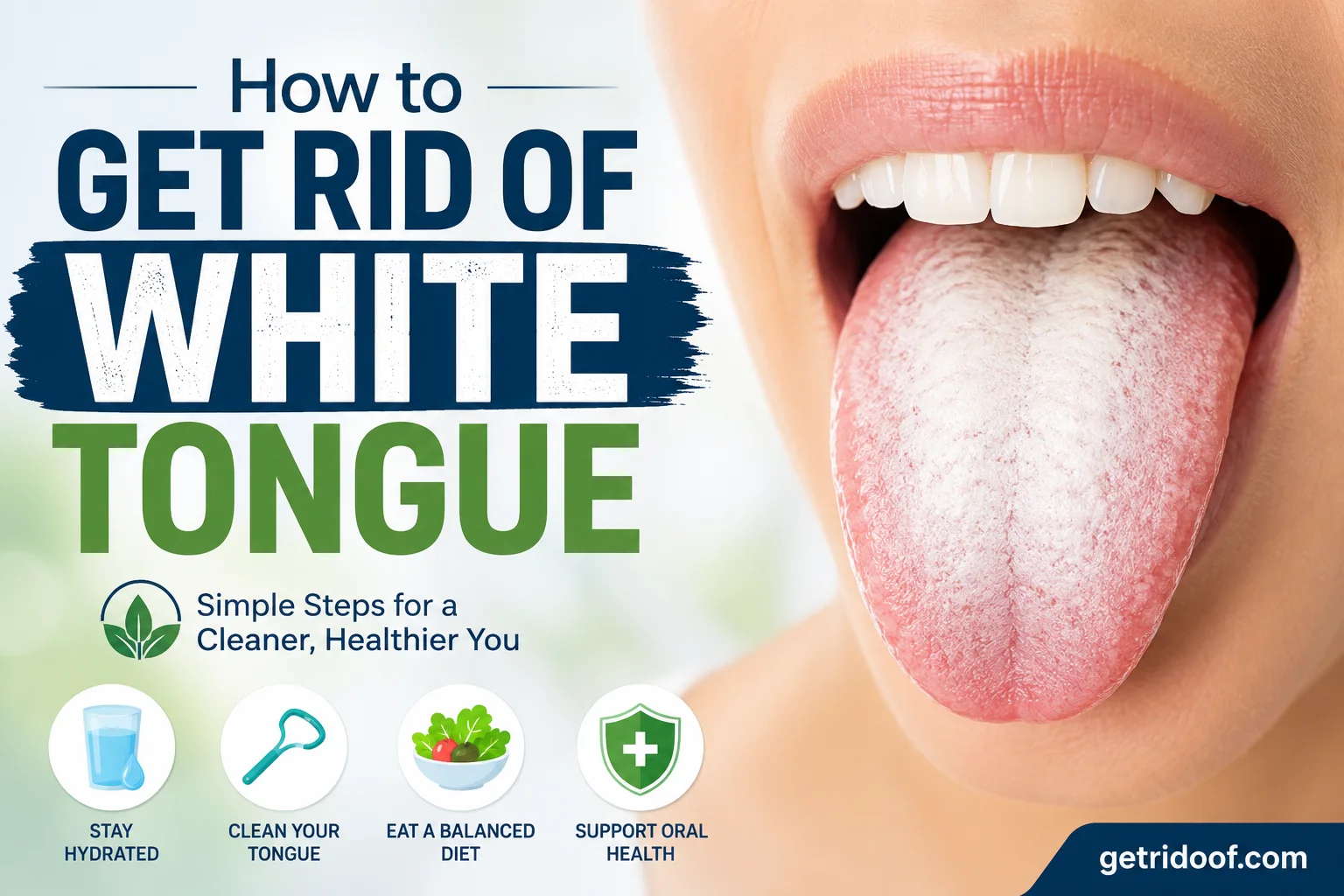
Have you ever looked in the mirror and noticed a thick white coating on your tongue? You are not alone. A white tongue is a common oral health issue. The good news? It’s usually harmless and easy to treat. This guide explains how to get rid of white tongue. You’ll learn about the causes, effective home remedies, and when to see a doctor.
What Is White Tongue?
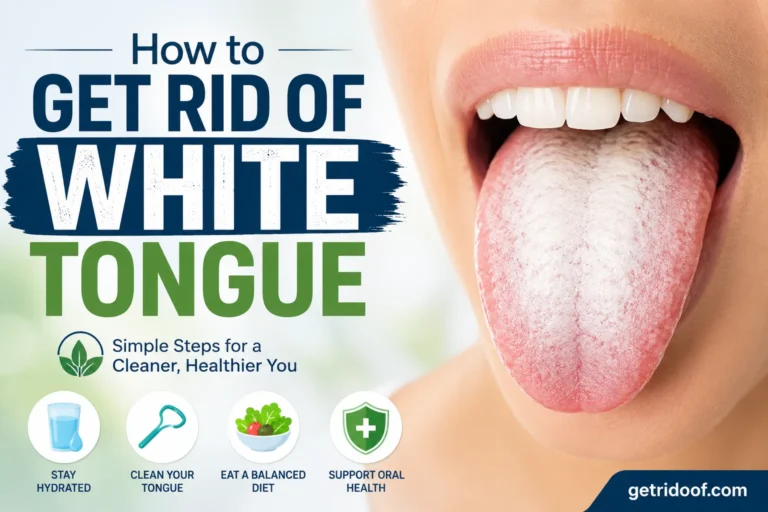
White tongue happens when the small bumps on your tongue, called papillae, swell or get inflamed. Dead cells, bacteria, food bits, and fungi get stuck between these bumps. This creates a white or gray coating on the surface.
The coating can cover your whole tongue or appear in patches. It may also come with bad breath, a fuzzy feeling, or mild soreness. Most of the time, white tongue clears up on its own with simple care. But in some cases, it signals an underlying health issue that needs attention.
Why Does White Tongue Happen? Common Causes Explained
Understanding what causes white tongue is the first step toward treating it. Here are the most common reasons your tongue turns white:
1. Poor Oral Hygiene
This is the number one cause. When you skip brushing your tongue, bacteria and debris pile up fast. Over time, that buildup forms a visible white layer. Brushing your teeth but ignoring your tongue is one of the biggest mistakes people make.
2. Dehydration and Dry Mouth
Saliva is your mouth’s natural cleanser. When you do not drink enough water, saliva production drops. Bacteria multiply quickly in a dry environment, and that leads to white tongue. Studies show that dry mouth affects nearly 1 in 4 adults at some point.
3. Oral Thrush (Fungal Infection)
Oral thrush is an overgrowth of Candida yeast in the mouth. It causes thick, creamy white patches that may bleed slightly when scraped.
It’s more common in people who:
- Recently took antibiotics
- Use inhaled steroids
- Have diabetes
- Have a weak immune system
4. Smoking and Tobacco Use
Tobacco products irritate the tongue. They lower saliva flow and disrupt the natural balance of bacteria in the mouth. Smokers are much more likely to get a stubborn white coating, even if they brush regularly.
5. Alcohol and Diet
Excessive alcohol dries out the mouth. A diet rich in sugar and processed foods boosts yeast growth, especially Candida albicans. Reducing these can make a noticeable difference in a few weeks.
6. Antibiotics and Medications
Antibiotics wipe out both harmful and beneficial bacteria. This throws off the natural balance in your mouth and gut. As a result, it sets up a perfect place for a fungal infection and a white coating on your tongue.
7. Medical Conditions
Some less common but serious causes include:
- Leukoplakia — thick white patches that cannot be scraped off; can be a warning sign for oral cancer
- Geographic tongue — red patches with white borders that shift over time (benign)
- Oral lichen planus — a chronic inflammatory condition causing lacy white streaks
- Syphilis — white patches as a symptom of bacterial infection
How to Get Rid of White Tongue: 8 Proven Remedies
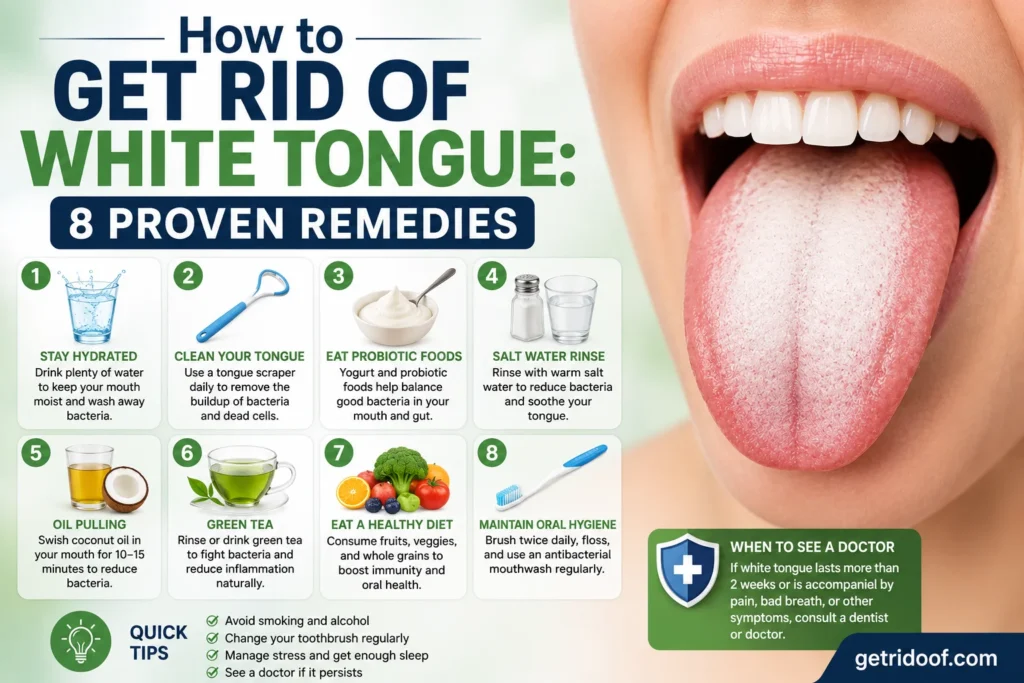
Most cases of white tongue clear up with consistent home care. Here are the most effective, evidence-backed ways to treat it.
1. Scrape Your Tongue Daily
Tongue scraping is one of the most effective ways to get rid of white tongue. Research shows that using a copper or plastic tongue scraper can remove 75% more bacteria than just brushing your teeth.
How to do it:
- Do it first thing in the morning, before eating or drinking
- Place the scraper at the back of the tongue and pull forward gently
- Rinse the scraper and repeat 2–3 times
- Once daily is enough — overdoing it can irritate the tissue
2. Brush Twice Daily (Including Your Tongue)
Use a soft-bristled toothbrush. Brush your tongue gently in back-and-forth strokes each time you clean your teeth. This removes the debris and bacteria that cause the white coating to form. Do not press too hard — you want to clean, not scrape the surface raw.
3. Drink More Water
Aim for at least 8–10 glasses of water per day. Drinking enough water helps produce saliva. Saliva washes away bacteria from your tongue and teeth. If you wake up with white tongue in the morning, dry mouth overnight is likely the cause. Try sleeping with your mouth closed and keeping a glass of water nearby.
4. Rinse with Warm Salt Water
A simple salt water rinse is a fast, natural way to reduce bacteria and soothe inflammation. Mix half a teaspoon of salt into a glass of warm water and swish for 30–60 seconds. Do this once or twice a day. It is one of the easiest and most affordable remedies available.
5. Use an Antibacterial Mouthwash
Mouthwash with chlorhexidine or essential oils, such as thyme or tea tree, kills bacteria. This bacteria causes white buildup. Use it after brushing. Avoid alcohol-based mouthwashes if you already have dry mouth — they can make it worse.
6. Try Probiotics
An imbalance of healthy bacteria in your gut can lead directly to a white tongue. A daily probiotic like yogurt, kefir, or fermented veggies helps balance gut and mouth bacteria. Studies show that probiotics can help stop the growth of bad microbes in the mouth.
7. Adjust Your Diet
What you eat matters more than most people realize. Cut back on:
- Sugar and refined carbs (they feed yeast)
- Bread and fermented foods (can promote Candida growth)
- Dairy in large amounts
- Coffee and alcohol (both cause dry mouth)
Load up on:
- Crunchy fruits and vegetables (apples, carrots naturally scrub the tongue)
- Leafy greens and foods rich in vitamin B12 and iron
- Lean proteins and whole grains
A lack of nutrients, like vitamin B12 or iron, can cause a recurring white tongue. A simple blood test can rule this out.
8. Antifungal Treatment for Oral Thrush
If your white tongue is caused by oral thrush, home remedies alone will not be enough. A doctor or dentist usually prescribes fluconazole (Diflucan) or nystatin. Both are antifungal meds that can clear the infection in one to two weeks. Do not self-diagnose; see a professional if you suspect thrush.
How to Get Rid of White Tongue in Babies
White tongue in babies and toddlers is usually caused by milk residue or oral thrush. Here is how to tell the difference:
- Milk residue wipes off easily with a clean damp cloth
- Oral thrush does not wipe off and may cause irritability or feeding difficulty
If your baby has thrush, the pediatrician will prescribe a liquid antifungal. This is usually nystatin oral suspension. Never use adult treatments on infants.
White Tongue vs. Oral Thrush: How to Tell the Difference
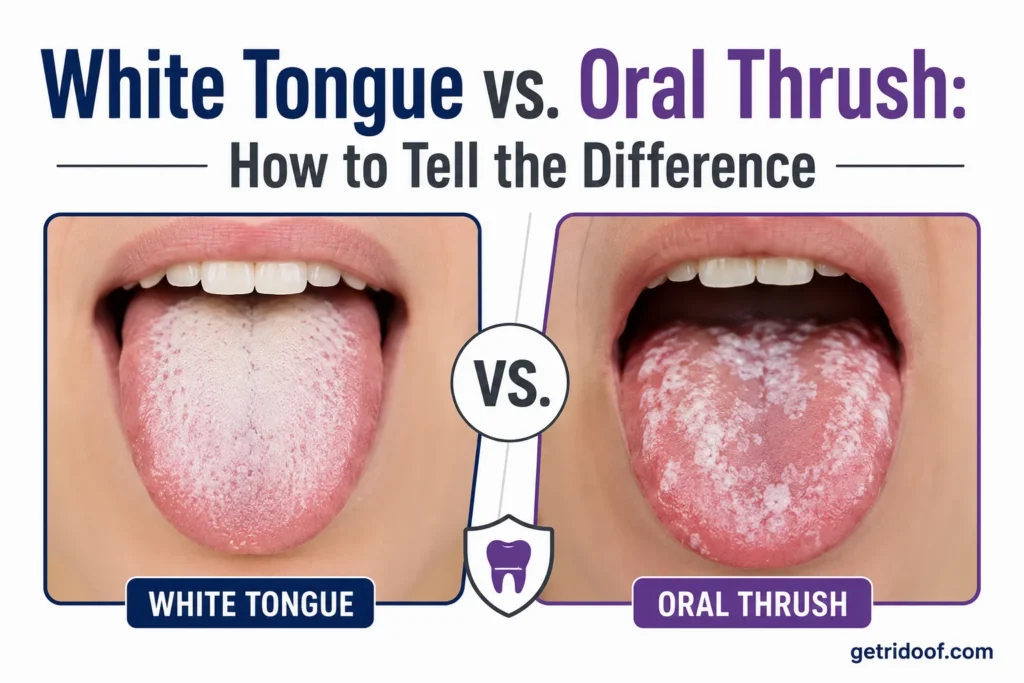
Many people confuse a regular white tongue coating with oral thrush. Here is a quick comparison:
| Feature | White Tongue (general) | Oral Thrush |
| Appearance | Thin, uniform white film | Thick, creamy white patches |
| Location | Usually the whole tongue | Tongue, cheeks, roof of mouth |
| Scrapes off? | Yes, partially | Leaves a red sore beneath |
| Pain? | Usually none | Often painful or tender |
| Cause | Poor hygiene, dry mouth | Candida yeast overgrowth |
If patches are thick, painful, or bleed when touched, see a dentist or doctor right away.
You Can Also Read
- How to Get Rid of Numbness After Dentist
- How to Get Rid of Lip Lines: Effective Treatments and Prevention Tips
- How to Get Rid of a Headache
White Tongue After Antibiotics: What to Do
Taking antibiotics kills the good bacteria in your mouth along with the bad. This often leads to an overgrowth of Candida yeast — resulting in a white tongue or full oral thrush.
What helps:
- Start taking probiotics during and after your antibiotic course
- Eat yogurt with live cultures daily
- Practice extra diligent oral hygiene while on antibiotics
- See a doctor if white patches appear and do not clear within a week
White Tongue and Gut Health
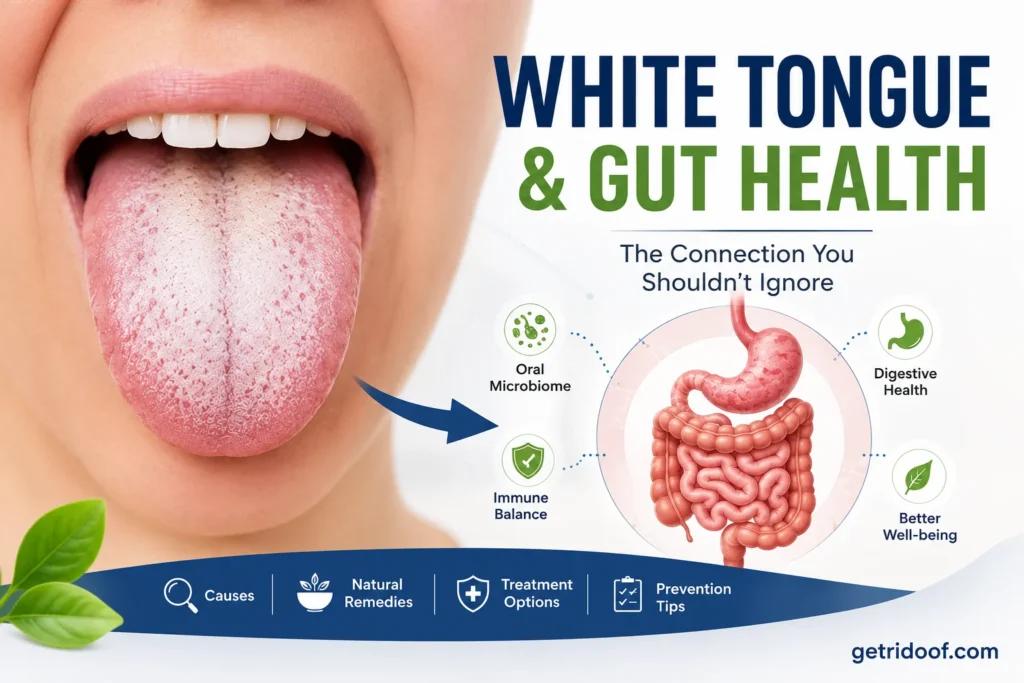
There is a direct connection between your gut microbiome and oral health. When your gut bacteria are out of balance, it often shows up in your mouth first. This imbalance can happen due to stress, a poor diet, or antibiotics. A healthy gut = a healthier mouth. If a white tongue keeps returning, even with good oral hygiene, check your gut health. It might be the problem.
How to Prevent White Tongue From Coming Back
Treating white tongue is one thing. Keeping it from coming back is the real goal. Here are the daily habits that make the biggest difference:
- Scrape your tongue every morning before breakfast
- Brush teeth and tongue twice daily with a soft-bristled brush
- Drink plenty of water throughout the day — at least 2.5 litres
- Replace your toothbrush every 3 months to avoid reintroducing bacteria
- Quit smoking — this one change dramatically reduces recurrence
- Limit alcohol and sugar as part of your regular diet
- Visit your dentist every 6 months for professional cleanings
- Manage underlying conditions like diabetes or acid reflux
Consistency is the key. There is no one-time fix — but with these habits in place, most people see lasting improvement within 2–4 weeks.
When to See a Doctor About White Tongue
Most white tongue cases resolve with home care. But there are warning signs you should never ignore.
See a doctor or dentist if:
- The white coating does not improve after 2 weeks of consistent home care
- You notice pain, swelling, or soreness in or around your tongue
- White patches cannot be scraped off and feel hard or raised
- You experience difficulty swallowing, speaking, or eating
- You have a fever alongside white tongue
- You are immunocompromised (HIV, chemotherapy, diabetes)
- The patches are spreading or changing shape
These symptoms could mean problems like leukoplakia, oral lichen planus, or, in rare cases, early mouth cancer. Early diagnosis makes a significant difference in outcomes.
Frequently Asked Questions
How long does it take to get rid of white tongue?
For mild cases from poor hygiene or dry mouth, you may see improvement in 3 to 7 days with regular home care. If it is caused by oral thrush, antifungal medication usually clears it within 1–2 weeks.
Is white tongue contagious?
A general white tongue coating is not contagious. Oral thrush can spread through kissing or sharing utensils, so treat it quickly.
Can stress cause white tongue?
Yes. Stress harms your immune system. It can also upset your gut and mouth microbiomes. This makes you more likely to face fungal overgrowth and inflammation.
Why is my tongue white only in the morning?
Dry mouth during sleep is the most common reason. Your saliva flow drops significantly overnight, allowing bacteria to build up. Drink enough water and breathe through your nose, not your mouth, while you sleep. This really helps.
Does apple cider vinegar help white tongue?
Some people use diluted apple cider vinegar as a mouth rinse. It has antifungal properties. Mix one tablespoon with a glass of water. It may help mild cases, but it is not a substitute for medical treatment if thrush is present.
Conclusion
Knowing how to get rid of white tongue comes down to one thing: treating the root cause, not just the surface symptom.
Most people can fix the problem in days by:
- Scraping their tongue daily
- Brushing properly
- Staying hydrated
- Reducing sugar and tobacco
If you have ongoing pain or issues, don’t wait. Visit a dental professional for an accurate diagnosis and a proper treatment plan.
A healthy tongue is pink, clean, and coated with small bumps. With the right habits, that is exactly what yours can look like — and stay like.
About the Author