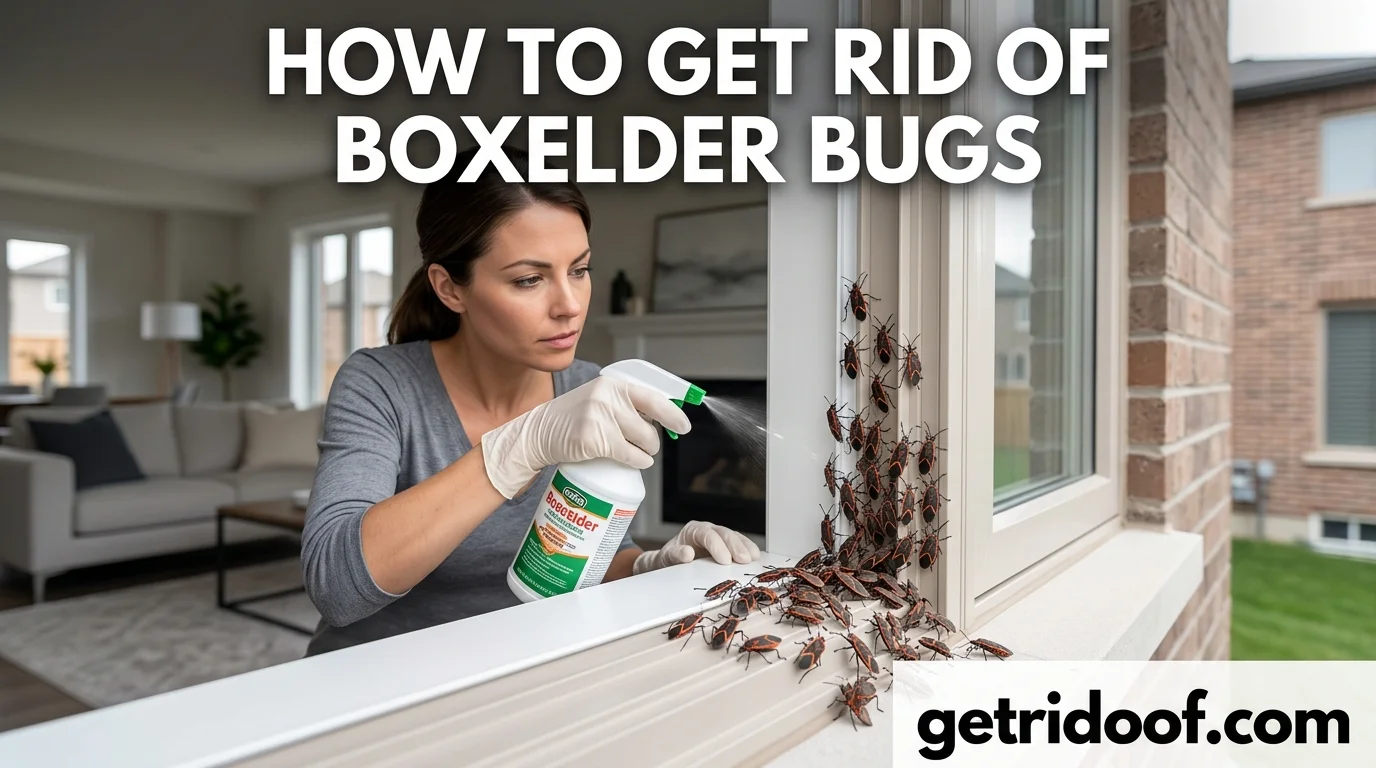
Have you seen groups of black and red bugs on your walls, windows, or siding in the fall? If so, you know how frustrating it can be. How to get rid of boxelder bugs is one of the most searched pest questions among homeowners — and for good reason. These bugs are stubborn, they show up in large numbers, and they seem to appear out of nowhere.
The good news? You can control and eliminate them with the right approach. This guide covers it all. You’ll learn to spot an infestation, use natural remedies, apply chemical treatments, and find long-term prevention tips.
What Are Boxelder Bugs?
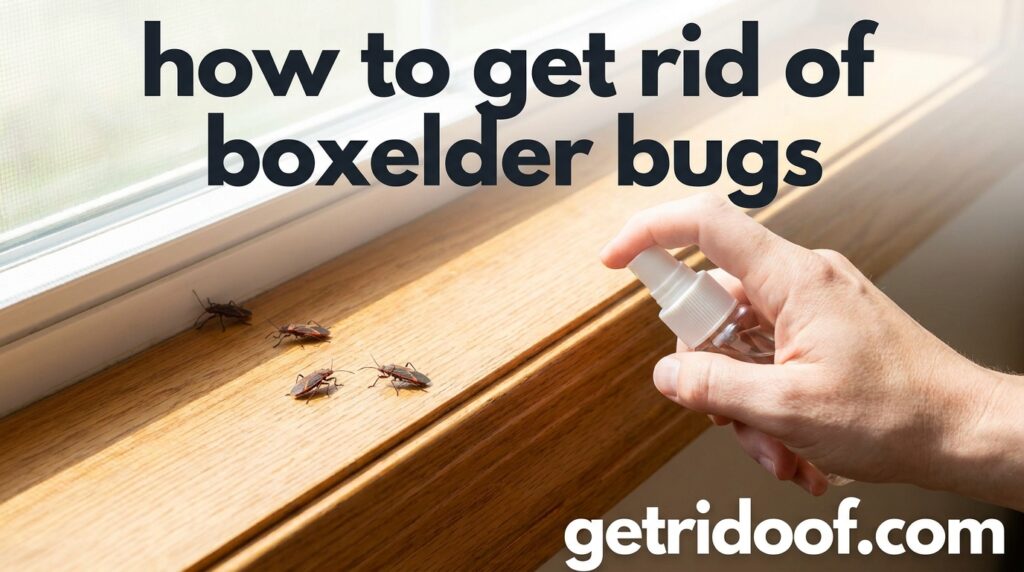
Boxelder bugs (Boisea trivittata) are flat and oval. They are about half an inch long. They are black with unique reddish or orange markings on their wing edges. This pattern helps you identify them easily.
They’re named after a favorite food: the boxelder tree, particularly the female seed-bearing type. They also feed on maple and ash trees.
Are Boxelder Bugs Dangerous?
Boxelder bugs are primarily a nuisance pest. They do not bite humans, sting, or carry diseases. However, they can:
- Leave reddish stains on curtains, clothing, and upholstery from their droppings
- Emit an unpleasant odor when crushed
- Invade your home in large numbers, which can be overwhelming
They do not nest, breed, or feed indoors. All the bugs you see inside your home during winter entered in the fall and are simply waiting out the cold.
Signs You Have a Boxelder Bug Infestation
Knowing what to look for is the first step in solving the problem.
Outdoor signs:
- Large clusters of bugs on the south or southwest-facing walls of your home
- Bugs congregating on tree trunks, fences, rocks, and pavement in sunny spots
- Red and black insects flying around boxelder, maple, or ash trees
Indoor signs:
- Bugs appearing near windows and warm, sunny areas
- Small reddish-brown stains on fabrics or walls
- Bugs emerging from wall voids or gaps as temperatures rise in spring
When Are Boxelder Bugs Most Active?
Boxelder bugs follow a predictable seasonal pattern:
- Spring: Adults emerge from overwintering hiding spots and return outdoors to feed
- Summer: They breed and feed on seeds and leaves of host trees
- Late Summer–Fall: Nymphs grow into adults. Large swarms form to find a warm spot for winter.
- Winter: They hide in wall voids, attics, and cracks inside structures
They are most abundant during hot, dry summers followed by warm springs. If you had a bad infestation last fall, expect another one the following year.
How to Get Rid of Boxelder Bugs: Step-by-Step
The most effective approach combines immediate removal with long-term prevention. Here is how to tackle the problem at every stage.
Step 1: Remove Them From Surfaces Immediately
When you see boxelder bugs clustered on your walls or siding, act fast before they find a way inside.
- Vacuum them up using a shop vacuum or household vacuum. Remove the bag immediately after to prevent escape.
- Spray with soapy water. Mix one tablespoon of dish soap with one cup of water in a spray bottle. Direct contact kills them quickly by breaking down their outer shell.
- Use a forceful stream of water from a garden hose to knock them off walls and trees.
Avoid crushing them. Crushed bugs release an unpleasant odor and can stain surfaces.
Step 2: Apply Natural and DIY Remedies
If you want to skip chemicals, there are natural ways to fight boxelder bugs.
Diatomaceous Earth (DE) is a powder made from fossilized algae. It’s food-grade, meaning it’s safe for consumption. Sprinkle it around entry points, windowsills, and along the foundation of your home. It damages the exoskeleton of insects and causes them to dehydrate and die.
Neem Oil Spray Neem oil is a natural pesticide derived from the neem tree. Mix it with water and a few drops of dish soap, then spray it on areas where bugs congregate. It disrupts their feeding and reproductive cycles.
Essential Oils Some homeowners find that tea tree oil, peppermint oil, or lavender oil can work well. They dilute these oils in water and use them as a spray around windows and door frames.
Boric Acid Sprinkle boric acid powder in wall voids, attics, and crawl spaces. These are common bug hiding spots in winter.
It acts as both a stomach poison and a desiccant.
Step 3: Use Chemical Treatments When Necessary
For severe or recurring infestations, chemical solutions may be the most effective route.
Residual Insecticide Sprays Use a residual pyrethroid insecticide like bifenthrin, cypermethrin, or deltamethrin. Apply it around your home’s perimeter, focusing on:
- Door frames and window frames
- Foundation cracks
- South and southwest-facing walls (the warmest sides of the structure)
The best time to spray is in fall, when bugs are clustering on the exterior and looking for entry points.
Use an indoor-safe insecticide spray for bugs already inside. Make sure it’s labeled for crawling insects. Follow all label directions carefully. Avoid treating wall voids. Dead insects in walls can attract pests like dermestid beetles.
Important: Always read and follow product label instructions. Keep children and pets away from treated areas until surfaces are fully dry.
Step 4: Seal All Entry Points
This is the single most important long-term step to get rid of boxelder bugs for good.
- Caulk all cracks and gaps around window frames, door frames, siding, and utility pipes
- Install door sweeps on all exterior doors
- Replace or repair damaged window and door screens
- Check for gaps around utility lines, air conditioning units, and plumbing entry points
Seal these openings before fall — ideally in late summer — to stop them from entering in the first place.
How to Get Rid of Boxelder Bugs Outside: Yard and Landscape Tips
Reducing the outdoor bug population keeps them from getting inside your home.
Remove or Replace Female Boxelder Trees
The most effective long-term solution is to eliminate the food source. Female boxelder trees (the seed-bearing variety) are the primary host. Removing them from your property significantly reduces the local bug population.
If removal is not possible:
- Trim branches away from the roof and siding of your home
- Clean up fallen seeds and leaf litter regularly
- Try using a male boxelder tree. It doesn’t produce seeds and is much less appealing to these pests.
Note: Winged adults can fly several blocks. So, bugs from nearby properties might still reach your home.
Eliminate Hiding Spots in Your Yard
- Remove wood piles, rock piles, and debris near the foundation
- Keep a clear, debris-free zone around the base of your home
- Mow grass regularly and trim overgrown shrubs near the structure
A clean yard cuts down on the spots where bugs gather before entering your home.
You Can Also Read
How to Get Rid of Boxelder Bugs in the House
If they are already inside, here is how to handle them safely and effectively.
Do not spray wall voids. Dead insects inside walls attract other pests and are difficult to remove.
Use a vacuum cleaner. This is the safest, cleanest method. Vacuum up live and dead bugs, then dispose of the bag outside immediately.
Wait for spring. Bugs that spend the winter indoors will try to move outside as temperatures warm up. You can take advantage of this by opening windows and guiding them out.
Seal entry points now. Even if bugs are already inside, sealing openings prevents more from entering.
If the indoor infestation is large, call a licensed pest control expert. They can inspect and create a targeted treatment plan.
When to Call a Professional Exterminator
Most boxelder bug infestations can be managed with DIY methods. However, you should consider professional pest control if:
- Bugs are appearing in large numbers inside your home year after year
- You cannot locate or seal all entry points on your own
- DIY treatments have not reduced the population
- You suspect the infestation is coming from a neighboring property
A professional exterminator will check the entire problem. They will use strong insecticides and may find structural issues you missed. Ask about preventive perimeter treatments applied in early fall for ongoing protection.
Boxelder Bug Prevention: Keep Them From Coming Back
Once you have addressed the current infestation, prevention is your best tool.
Annual Prevention Checklist
- ✅ Inspect and re-caulk cracks around windows and doors every fall
- ✅ Check and replace door sweeps annually
- ✅ Apply a preventive perimeter insecticide spray in late summer
- ✅ Clean up fallen seeds and debris from host trees throughout the season
- ✅ Trim trees and shrubs away from the home’s exterior
- ✅ Remove or replace female boxelder and seed-bearing maple trees if possible
Preventing pests is most effective when done every year, before their fall migration starts.
Frequently Asked Questions
Do boxelder bugs go away on their own?
Yes — eventually. Bugs that enter your home in fall will naturally die off or leave in spring. However, without sealing entry points, a new group will enter the following fall. Seasonal prevention is essential.
What smell repels boxelder bugs?
Peppermint oil, lavender oil, and tea tree oil are commonly used as natural deterrents. They may not work as well as insecticides, but they can keep bugs away from treated areas.
What kills boxelder bugs instantly?
Direct contact with a soapy water spray kills them quickly. Commercial pyrethroid-based insecticides are also fast-acting when applied directly to bugs.
Do boxelder bugs bite?
No. Boxelder bugs do not bite humans or pets. They aren’t aggressive. Their mouthparts are made for piercing plants, not skin.
How long do boxelder bugs live?
The average lifespan of a boxelder bug is about one year. Adults overwinter, mate in spring, and the cycle begins again with a new generation by summer.
Conclusion
To eliminate boxelder bugs, act quickly. Choose effective treatments and prioritize prevention. Successful homeowners address the issue from different angles. They eliminate bugs on contact. They seal homes to prevent entry. In the fall, they treat the perimeter. They also manage food sources in the yard.
Start early in the season for the best results. You can use natural options like soapy water and diatomaceous earth. Or, you can pick chemical solutions. If the problem keeps returning each year, a pest control inspection can help find the root cause.
Now that you know exactly how to get rid of boxelder bugs, you are fully equipped to take control of the problem — and keep them out for good.
About the Author