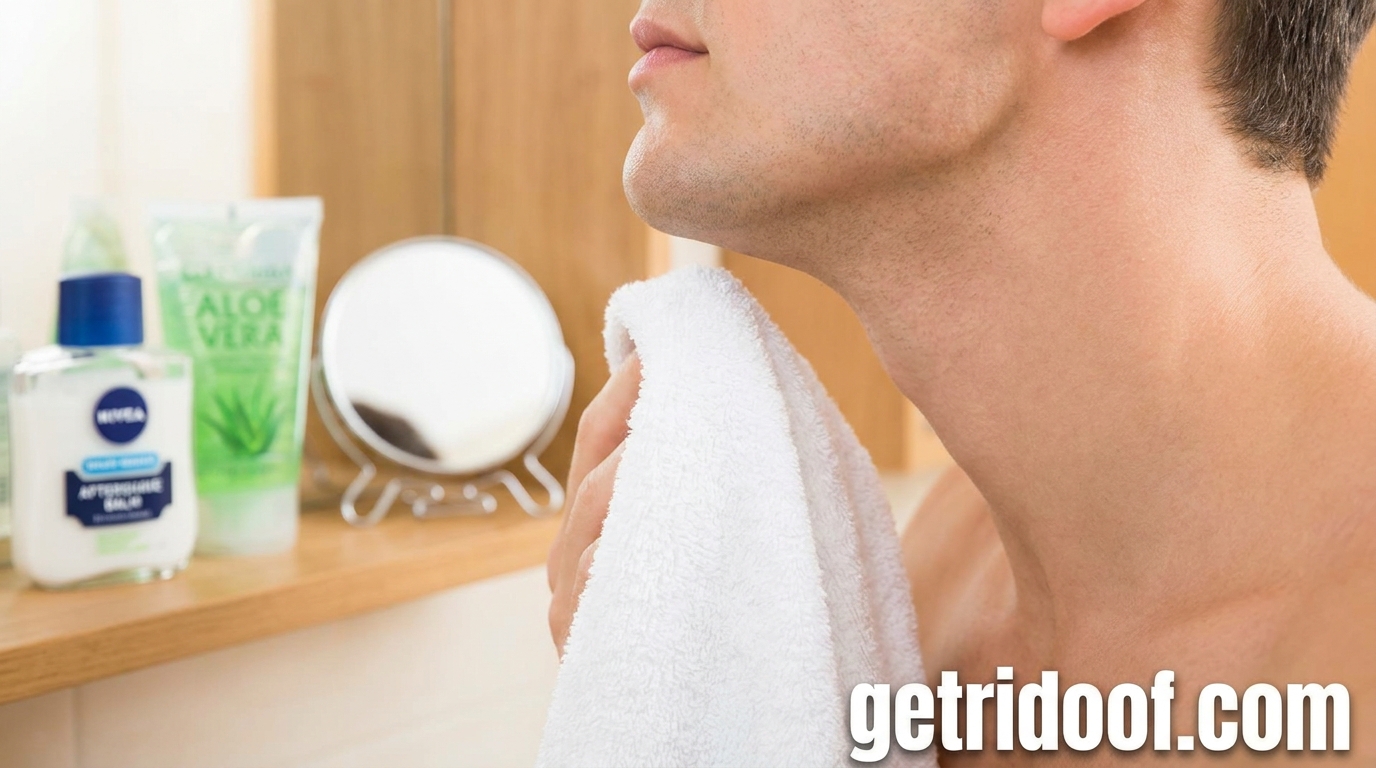
If you shave often, you’ve likely seen those pesky red bumps that pop up after you shave. Learning how to get rid of razor bumps quickly and effectively can save you from days of itching, irritation, and low confidence. The good news? You do not need expensive products or a dermatologist visit to start seeing results.
This guide includes everything you need. It covers what causes razor bumps, the best home remedies, tips for prevention, and when to see a doctor.
What Are Razor Bumps (And Why Do You Get Them)?
Razor bumps, also known as pseudofolliculitis barbae (PFB), happen when shaved hairs curl back into the skin. The hair tip doesn’t grow straight out. Instead, it pierces the skin, leading to inflammation, redness, and small pimple-like bumps.
They can appear on:
- The face, chin, and neck (especially in men with beards)
- The legs and underarms
- The bikini line and pubic area
- Anywhere hair is regularly shaved or waxed
Who is most affected?
People with coarse, curly, or tightly coiled hair are most prone to razor bumps. Studies show that between 45–83% of Black men experience PFB regularly. Anyone can develop them, regardless of skin type or gender. This is common in sensitive areas, like the groin.
Razor Bumps vs. Razor Burn — What Is the Difference?
Many people confuse these two conditions, but they are not the same.
| Razor Bumps | Razor Burn | |
| Appearance | Small raised bumps, like pimples | Red rash or streaky blotches |
| Cause | Ingrown hairs growing into skin | Friction and irritation from the blade |
| Timing | Appears days after shaving | Appears minutes after shaving |
| Duration | Can last weeks if untreated | Usually clears in 1–2 days |
Understanding the difference helps you choose the right treatment.
What Causes Razor Bumps to Form?
Before you can fix razor bumps, it helps to know what triggers them. Common causes include:
- Dull or clogged razor blades — A dull blade drags across skin instead of cutting cleanly
- Shaving against the grain makes hair tips sharper. These tips can then poke back into the skin.
- Shaving too close — Extra-close shaves leave hair tips below the skin surface
- Dry shaving — No lubrication means more friction and more irritation
- Skipping exfoliation — Dead skin cells clog follicles and trap hair beneath the surface
- Tight clothing after shaving — Fabric friction on freshly shaved skin worsens inflammation
How to Get Rid of Razor Bumps: 8 Proven Remedies

These treatments can reduce inflammation and help the bumps heal faster.
1. Apply a Warm Compress First
A warm, damp washcloth on the affected area for 10–15 minutes is an easy and effective first step. The warmth softens the skin, opens the pores, and helps draw out the trapped ingrown hair.
Do this 2–3 times a day for the best results. You can also steam the area in a warm shower for the same effect.
2. Use Salicylic Acid to Unclog Pores
Salicylic acid is a beta hydroxy acid (BHA). It goes deep into pores and dissolves dead skin cells that trap hairs. Many over-the-counter cleansers, toners, and spot treatments contain salicylic acid.
Apply it gently to the affected area once or twice a day. It reduces redness and helps the trapped hair work its way back out naturally.
3. Try Glycolic Acid for Smoother Skin
Glycolic acid is an alpha hydroxy acid (AHA). It speeds up cell turnover on the skin’s surface. It also helps reduce hair curvature as it grows. This means the hair is less likely to curl back into the skin.
A glycolic acid lotion or serum used after shaving can treat bumps and prevent new ones. Look for products with a 5–10% concentration for daily use.
4. Apply Aloe Vera Gel
Aloe vera has natural antibacterial, anti-inflammatory, and soothing properties. It quickly reduces the itchiness and redness that come with razor bumps. If you have an aloe plant at home, scrape the gel directly from the leaf and apply it to the affected area.
Leave it on for at least 30 minutes, then rinse with cool water. Repeat this 2–3 times a day for noticeable relief within a couple of days.
5. Use Tea Tree Oil (Diluted)
Tea tree oil is a strong antiseptic and anti-inflammatory. It helps stop infections in irritated follicles. Because it is concentrated, always dilute it before applying it to skin.
Mix 10–15 drops of tea tree oil into a bowl of warm water. Soak a washcloth in the mixture and hold it against the affected area for 20–30 minutes. Do this daily until bumps clear.
6. Gently Exfoliate the Area
A gentle physical or chemical exfoliator can help remove dead skin cells. This helps free the trapped ingrown hair. You can use a mild store-bought scrub or make a DIY paste from sugar and olive oil.
Rub it in small, circular motions over the area for 3–5 minutes, then rinse with warm water. Avoid harsh scrubbing — it will only irritate the skin more.
7. Use Over-the-Counter Benzoyl Peroxide or Hydrocortisone
Benzoyl peroxide kills bacteria that can infect irritated follicles and helps reduce swelling. Hydrocortisone cream (a mild steroid) quickly calms inflammation and stops the itch. Both are available at any drugstore without a prescription.
Apply a thin layer to the bumps once or twice a day. Avoid using hydrocortisone for more than 7 days in a row without medical advice.
8. Do Not Pick or Squeeze
This is the most important rule. Picking or squeezing razor bumps pushes bacteria deeper into the follicle. This raises inflammation. It can cause permanent scarring or hyperpigmentation, especially in darker skin.
If a hair is sticking out, use a sterile needle or tweezers to gently lift it. Just don’t dig into the skin.

How to Get Rid of Razor Bumps on Specific Areas
How to Get Rid of Razor Bumps on the Face and Neck
The face and neck are the most common areas for razor bumps, especially for men who shave their beards daily. The key steps:
- Wash your face with a non-comedogenic (non-pore-clogging) cleanser before shaving
- Use a sharp, single-blade razor — multi-blade razors cut hair below the skin surface
- Apply a rich, moisturizing shaving cream or gel and let it sit for 1–2 minutes to soften hair
- Shave with the grain of your beard growth
- Rinse with cool water and apply an alcohol-free aftershave balm
- Use a salicylic acid or glycolic acid product afterward if you are prone to bumps
How to Get Rid of Razor Bumps on Legs
Leg hair is usually finer, but bumps can still occur. This is common when shaving dry or rushing.
- Shave at the end of a warm shower when leg hair is soft and pores are open
- Use a moisturizing shave gel, not just soap
- Change your razor blade every 5–7 uses
- Apply a light glycolic acid lotion after shaving to keep the skin smooth
How to Get Rid of Razor Bumps in the Pubic Area
The pubic area is tricky. The skin there is thinner and more sensitive. Plus, the hair is usually coarser and curlier.
- Trim longer hair with scissors or a trimmer before shaving
- Never dry shave this area — always use a lubricating shaving gel
- Shave in the direction of hair growth only
- Rinse with cool water and apply an alcohol-free, fragrance-free moisturizer
- Wear loose cotton underwear after shaving to minimize friction
How to Prevent Razor Bumps from Coming Back
Getting rid of current razor bumps is only half the battle. Here is how to stop new ones from forming:
Upgrade Your Shaving Routine
Before shaving:
- Wash skin with a gentle cleanser to remove dead cells and oil
- Soften hair with 2–3 minutes of warm water contact before the blade touches skin
- Apply a quality shaving cream or gel — never shave dry
During shaving:
- Use a sharp, clean razor — replace blades after every 5–7 uses
- Shave in the direction your hair grows (with the grain), not against it
- Use light, short strokes and rinse the blade after each pass
- Avoid going over the same area more than once
After shaving:
- Rinse with cool water to close pores
- Pat the skin dry — never rub
- Apply an alcohol-free aftershave balm or moisturizer
- Avoid tight clothing that will create friction on freshly shaved skin
Switch to an Electric Razor or Trimmer
Electric shavers and trimmers cut hair a bit longer than blades. This makes the hair tips less sharp. So, they are less likely to curl back into the skin. Switching to a trimmer might be the best change if you often get razor bumps.
Single-blade safety razors are a great choice. They cut hair cleanly in one pass. This is better than cartridge razors, which pull and cut multiple times.
Exfoliate 2–3 Times Per Week
Regular, gentle exfoliation keeps dead skin cells from clogging the follicles. This is one of the most underrated prevention habits. Use a gentle chemical exfoliant, like glycolic acid lotion. It’s better than a harsh scrub, which can irritate sensitive skin.
Keep Skin Moisturized
Dry skin makes the environment worse for hair growth. Moisturized skin helps hairs break through easily. This lowers the chance of them curling inward. Use a light, non-comedogenic moisturizer daily, not just after shaving.
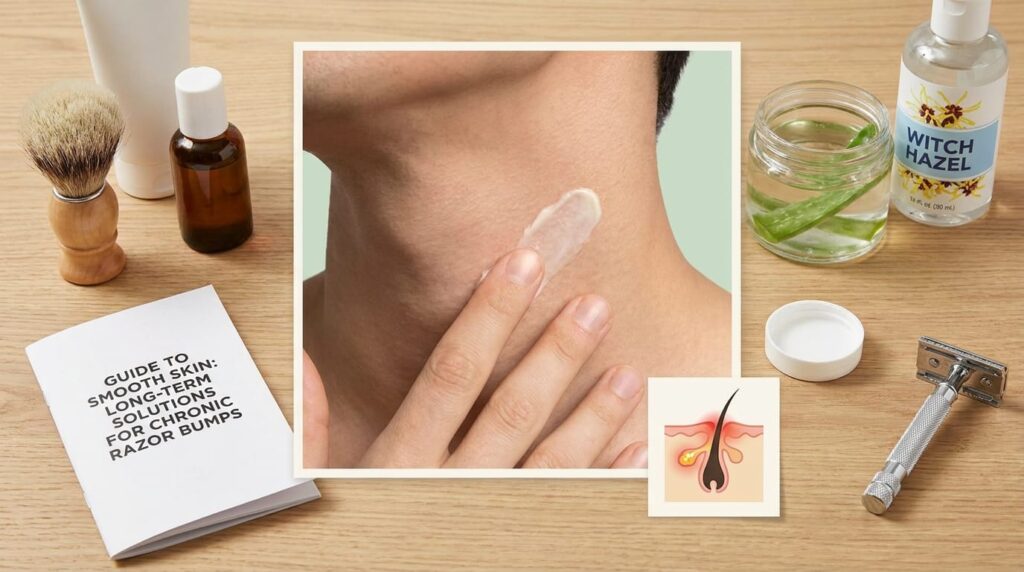
Long-Term Solutions for Chronic Razor Bumps
If you’ve tried all the options above and still have shaving bumps, think about longer-term solutions.
Laser Hair Removal
Laser hair removal targets hair follicles. It permanently reduces hair growth in that area. It is seen as the best long-term solution for those with chronic pseudofolliculitis barbae. Multiple sessions are required, but results can be permanent.
Prescription Topical Treatments
A dermatologist can prescribe stronger treatments not found over the counter. These include:
- Tretinoin (Retin-A) — speeds up skin cell turnover and prevents hair from becoming trapped
- Topical antibiotics like clindamycin or erythromycin — reduce bacterial infection in follicles
- Stronger corticosteroid creams — for severe inflammation
Chemical Depilatory Creams
Hair removal creams dissolve hair at the skin’s surface. This method removes the sharp tip, which helps prevent ingrown hairs. They are a good option instead of shaving. However, use them carefully on sensitive skin. Always do a patch test first.
When Should You See a Doctor?
Most razor bumps clear up with home treatment within a few weeks. However, see a dermatologist if:
- Bumps are painful, growing, or filled with pus (signs of infection)
- You develop fever or significant swelling
- Bumps do not improve after 2–3 weeks of home treatment
- You notice dark spots or raised scars forming after bumps heal
- Bumps keep coming back no matter what you try
A dermatologist can check for razor bumps, folliculitis (a bacterial infection), or other skin issues. These may include keratosis pilaris or molluscum contagiosum.
Frequently Asked Questions About Razor Bumps
How long do razor bumps last?
Most razor bumps clear up within 2–3 weeks with proper care. Stop shaving the area completely, and the bumps should fade in about 3 months as the hair grows back.
Do razor bumps go away on their own?
Yes, they often do — but it can take time, and new ones keep forming if you continue shaving. Using treatment products significantly speeds up the healing process.
Can women get razor bumps?
Absolutely. Anyone who shaves can develop razor bumps. Women often get them on the legs, underarms, and bikini line, especially in the pubic area where hair is thicker.
Are razor bumps the same as ingrown hairs?
They are closely related. Razor bumps are specifically caused by ingrown hairs that develop after shaving. The hair curls back and grows into the skin, causing the characteristic bumps.
Is it okay to shave over razor bumps?
It is best to give the skin a few days to heal before shaving again. Shaving over active bumps can irritate the skin. It may also lead to infection and worsen the issue.
Conclusion: How to Get Rid of Razor Bumps for Good
Razor bumps are frustrating, but they are absolutely manageable. Quickly treat bumps using trusted ingredients like salicylic acid, glycolic acid, and aloe vera. Also, upgrade your shaving routine to prevent new ones from forming.
Begin with simple changes: use sharper blades, shave with the grain, and moisturize well after each shave. If the problem continues, see a dermatologist. There are effective prescription treatments available. Also, laser hair removal can provide a permanent solution for long-term issues.
You can eliminate razor bumps with the right approach. This will help keep your skin smooth, clear, and free from irritation for a long time.
About the Author