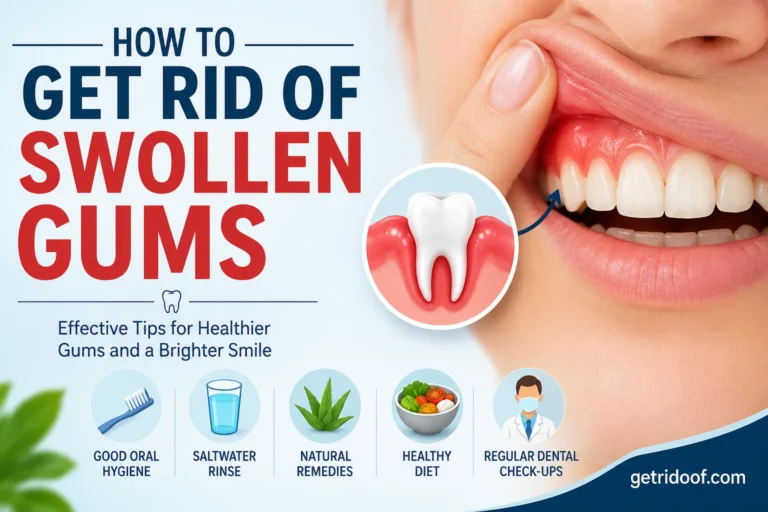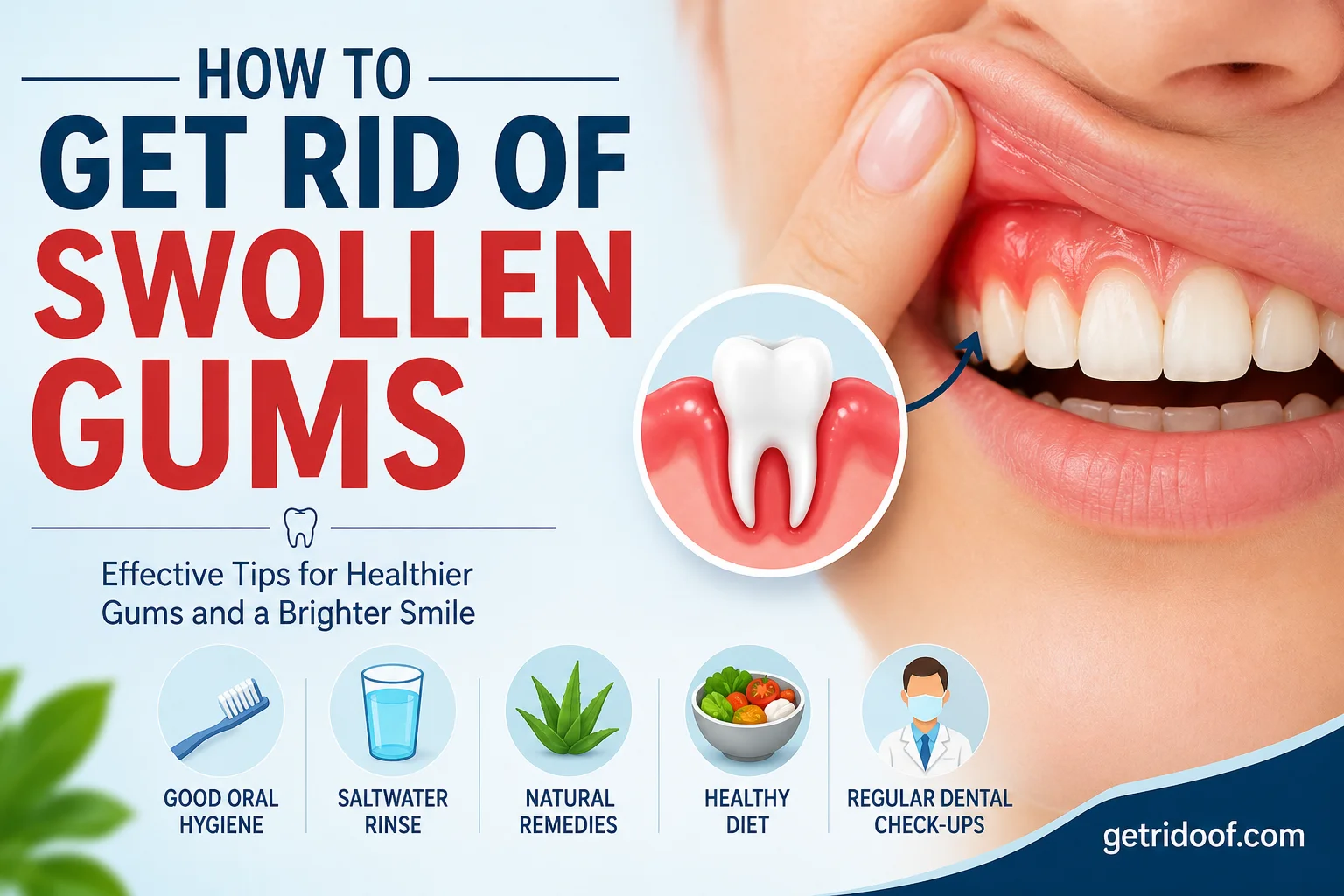
Swollen gums are more common than most people think. Whether your gums feel tender, look puffy, or bleed when you brush — this guide covers everything you need to know about how to get rid of swollen gums fast and keep them healthy long term.
If you’ve been dealing with gum inflammation, you are not alone. The good news? Most cases are treatable — even at home.
What Are Inflamed Gums?
Inflamed gums, also known as gingival inflammation, occur when the soft tissue around your teeth swells and hurts. It may also feel irritated.
You might notice your gums look redder or more purple than usual. They may feel puffy, sensitive, or bleed during brushing and flossing. In some cases, swollen gums can make it uncomfortable to eat or drink.
Knowing how to get rid of swollen gums starts with understanding what’s causing the problem in the first place.
What Causes Inflamed Gums?
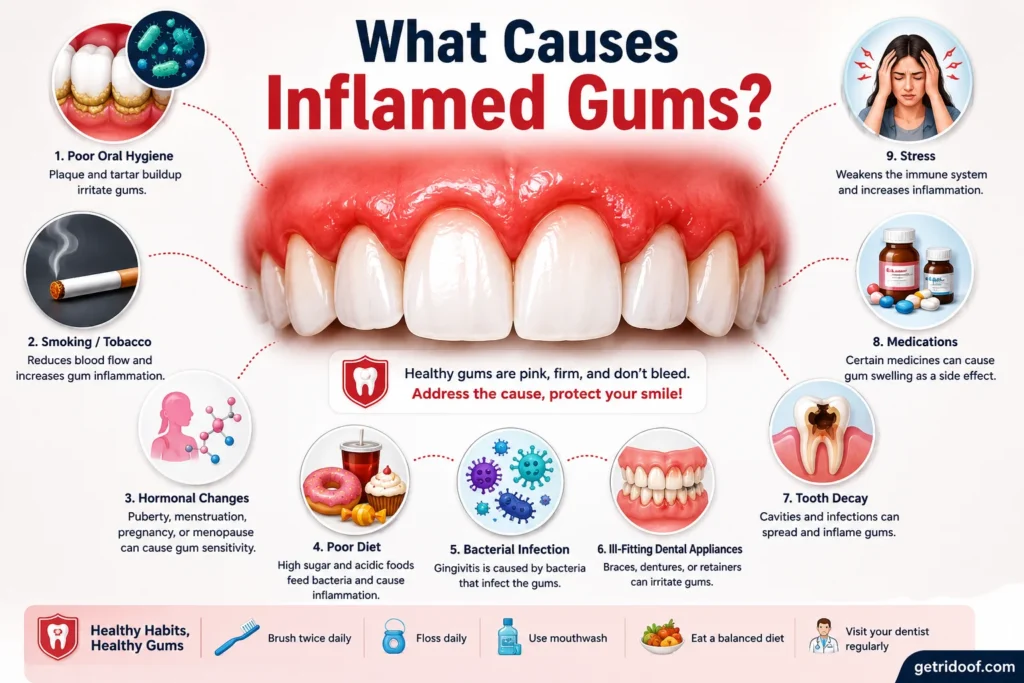
Gum swelling can have several causes — some simple, others more serious. Here are the most common ones:
Poor Oral Hygiene and Plaque Buildup
Plaque is a sticky layer of bacteria that forms on your teeth every day. When it isn’t removed by brushing and flossing, it builds up at the gum line and irritates the tissue. This is the number one cause of swollen gums.
Over time, plaque hardens into tartar, which can only be removed by a dental professional.
Gingivitis — Early Gum Disease
Gingivitis is the earliest stage of gum disease and one of the most common causes of gum swelling. It’s caused by plaque buildup and leads to red, tender, bleeding gums.
The good news is that you can completely reverse gingivitis. Just brush, floss, and get regular dental cleanings.
Periodontitis — Advanced Gum Disease
If you don’t treat gingivitis, it can turn into periodontitis. This is a more serious infection that harms the bone and tissue around your teeth. This stage requires professional treatment.
Tooth Abscess
A tooth abscess is a pocket of bacterial infection at the root of a tooth. It causes significant localized swelling and is considered a dental emergency. It will not go away on its own without treatment.
Hormonal Changes
Hormonal changes during pregnancy, puberty, or menopause can make gums more sensitive and swollen. “Pregnancy gingivitis” is a well-documented condition that affects many expectant mothers.
Nutritional Deficiencies
A lack of Vitamin C or Vitamin D can weaken gum tissue and lead to inflammation. A balanced diet rich in nutrients is essential for gum health.
Medication Side Effects
Some medicines can cause gum swelling or overgrowth. This includes certain blood pressure drugs, anticonvulsants, and immunosuppressants. Always discuss side effects with your doctor.
Other Common Causes
- Smoking and tobacco use (reduces blood flow to gums)
- Ill-fitting dentures or braces
- Food particles trapped between teeth
- Stress (lowers immune resistance)
- Underlying conditions like diabetes
What Are the Treatments for Inflamed Gums?
If you’re wondering how to get rid of swollen gums, the treatment depends on the cause and severity.
Professional Dental Treatments
Scaling and Root Planing (Deep Cleaning) This non-surgical treatment removes plaque and tartar from under the gum line. It’s the first treatment for moderate to advanced gum disease. It’s also one of the best ways to reduce ongoing gum inflammation.
Medicated Mouthwash and Topical Agents Your dentist may recommend an antimicrobial mouthwash, like chlorhexidine. They may also recommend medicated gels or prescription toothpaste. These help fight bacteria and soothe inflamed tissue.
Antibiotics For infections that cleaning can’t fix, oral or topical antibiotics can kill bacteria and speed up healing.
Laser Therapy Laser dentistry is among the most advanced treatments available today.
It precisely removes infected tissue and bacteria while minimizing discomfort and recovery time.
Regenerative Procedures When gum disease harms bone and tissue, special membranes or growth proteins help new tissue grow. This helps restore what the infection has destroyed.
Gum Surgery Severe periodontitis might need surgery. Options include flap surgery or gum grafts. These procedures address deep infection and restore proper gum structure.
What Measures Can You Take to Prevent Inflamed Gums?
Prevention is the most powerful tool for gum health. Here’s how to stop swollen gums before they start:
- Brush twice a day with a soft-bristled toothbrush and fluoride toothpaste
- Floss daily — even if your gums are slightly sensitive
- Use an antibacterial mouthwash after brushing
- Visit your dentist every 6 months for professional cleanings
- Eat a diet rich in vitamins C and D, calcium, and antioxidants
- Quit smoking — tobacco use significantly raises your risk of gum disease
- Drink more water to flush bacteria and food particles from the mouth
- Reduce sugar intake — sugar feeds the bacteria that cause plaque
- Manage stress — chronic stress weakens your immune defence against oral infections
Consistency is everything. Brushing and flossing every day stops most gum problems.
Home Care for Gum Swelling
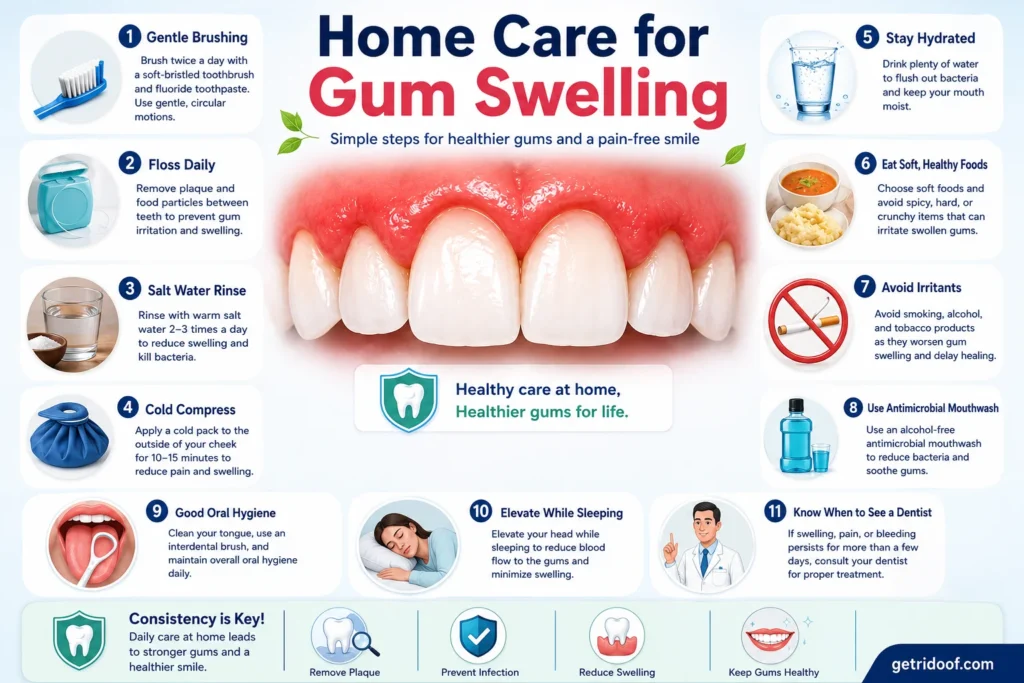
Your daily home care routine is key to reducing swollen gums before trying remedies. Here’s what to focus on:
Brush gently but thoroughly. Use small circular motions and hold your brush at a 45-degree angle toward the gum line. This removes plaque where bacteria tend to hide most.
Don’t Skip Flossing Even if your gums bleed a little, keep flossing. The bleeding is caused by inflammation, and it will improve as the gums heal.
Choose the Right Products
- Use a soft toothbrush.
- Pick a sensitivity toothpaste.
- Use an ADA-approved mouthwash.
Harsh products can make irritated gums worse.
Apply a Cold Compress Hold a cold pack against your cheek for 15-minute intervals. This helps numb pain and bring down acute swelling quickly.
Avoid Irritating Foods Stay away from crunchy snacks, like chips and popcorn. They can get stuck in your teeth and worsen inflammation.
You Can Also Read
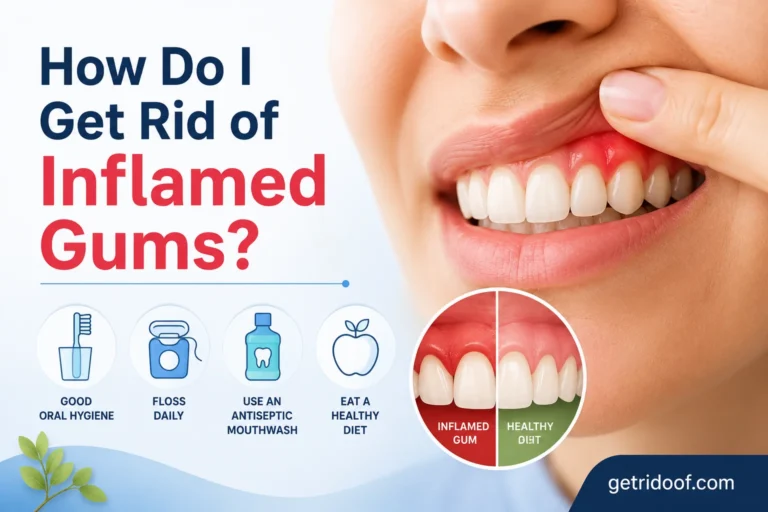
- How Do I Get Rid of Inflamed Gums?
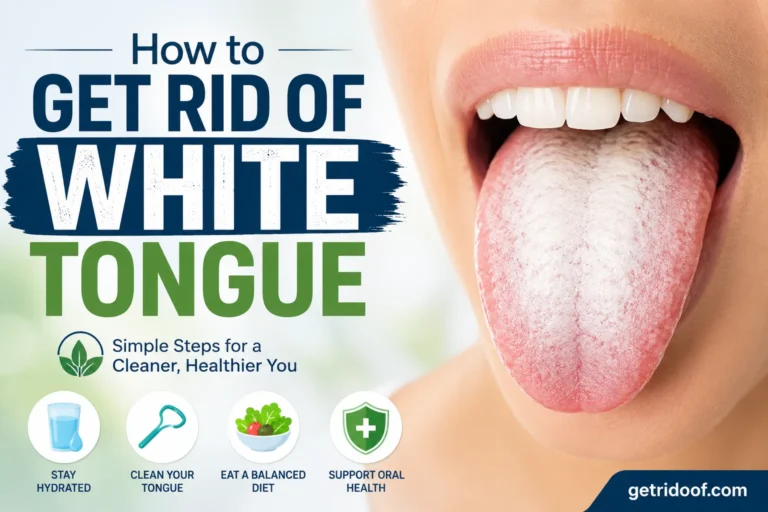
- How to Get Rid of White Tongue
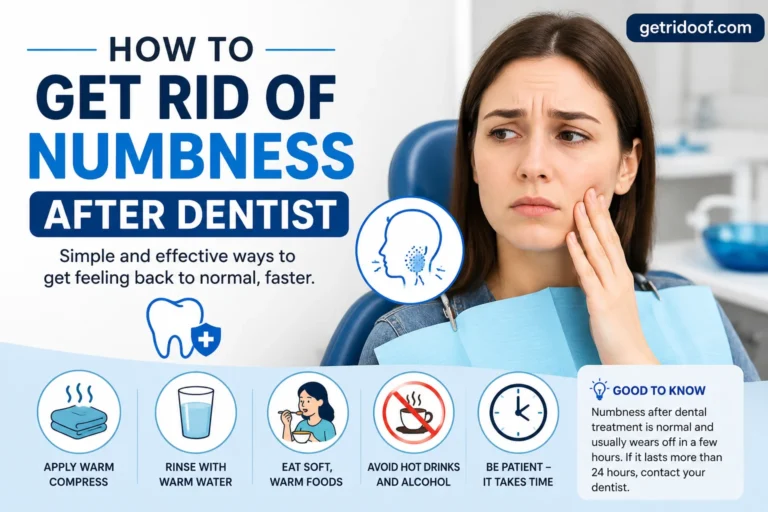
- How to Get Rid of Numbness After Dentist
Home Remedies for Swollen Gums
These natural remedies are among the most-searched solutions for how to get rid of swollen gums at home. They provide relief from pain and inflammation — especially in the early stages.
1. Saltwater Rinse
This is the most popular and well-researched home remedy for gum swelling. Salt neutralizes the mouth’s pH, kills bacteria, and soothes inflamed tissue.
How to use:
- Mix ½ to 1 teaspoon of salt in 8 oz of warm water
- Swish gently for 30 seconds
- Spit — never swallow
- Repeat 2–3 times daily after meals
A saltwater rinse is safe, cheap, and works well for mild to moderate gum irritation.
2. Clove Oil
Clove oil contains eugenol — a natural compound with powerful antibacterial and pain-relieving properties. It’s one of the oldest and most trusted remedies for oral discomfort.
How to use:
- Mix 2–3 drops of clove oil with 1 teaspoon of carrier oil (coconut or olive oil)
- Apply gently to swollen gums using a cotton swab
- Leave for a few minutes, then rinse
- Never apply undiluted — pure clove oil can burn gum tissue
3. Turmeric Paste
Turmeric contains curcumin, a natural anti-inflammatory and antioxidant compound. Studies support its ability to reduce gum swelling and discomfort.
How to use:
- Mix ½ teaspoon turmeric powder with a few drops of water
- Apply the paste directly to swollen gums
- Leave for 5–10 minutes, then rinse thoroughly
4. Cold and Warm Compresses
Using cold and warm compresses is an easy and effective way to treat swollen gums at home.
- Cold compress: Reduces acute swelling and numbs pain
- Warm compress: Improves circulation and may help drain infection
Hold each compress against your cheek for 15 minutes. Alternate twice daily for best results.
5. Hydrogen Peroxide Rinse
Hydrogen peroxide kills oral bacteria and helps reduce plaque-related gum inflammation.
How to use:
- Mix equal parts 3% hydrogen peroxide and water
- Swish for 30 seconds, then spit
- Use 2–3 times per week — not daily
Never use concentrations above 3%, and never swallow the solution.
6. Aloe Vera Gel
Aloe vera has natural antibacterial and anti-inflammatory properties. It can soothe swollen and irritated gum tissue.
How to use:
- Apply pure aloe vera gel directly to swollen gums
- Massage gently for a minute
- Rinse with water
- Repeat 2–3 times daily
7. Ginger Paste
Fresh ginger contains antibacterial, antifungal, and anti-inflammatory compounds that can reduce oral inflammation.
How to use:
- Crush fresh ginger with a pinch of salt into a coarse paste
- Rub onto swollen gums and leave for 10–12 minutes
- Rinse well with water
- Repeat 2–3 times daily
8. Essential Oil Rinse
Peppermint, tea tree, and thyme essential oils inhibit the growth of mouth bacteria. Research in the European Journal of Dentistry found these oils effective against harmful oral germs.
How to use:
- Add 3 drops of peppermint, tea tree, or thyme oil to 8 oz of warm water
- Swish for 30 seconds, then spit
- Do not swallow essential oils
Important: Home remedies offer temporary relief. They are not a cure for gum disease or infection. Always combine them with good oral hygiene and regular dental visits for lasting results.
How Are Swollen Gums Treated? (What to Expect at the Dentist)
If you’ve tried home care and are still wondering how to get rid of swollen gums, a dental visit is the next step. Here’s what the process typically looks like:
- Examination: Your dentist checks your gums, measures pocket depths, and might take X-rays.
- Professional Cleaning: Scaling removes tartar above and below the gum line
- Deep Cleaning: For moderate gum disease, scaling and root planing clean the tooth roots. This helps the gums reattach.
- Medication: Prescription mouthwash, antibiotic gels, or oral antibiotics may be prescribed
- Specialist Referral: Severe cases go to a periodontist (gum specialist) for surgery.
- Follow-Up Visits: Regular maintenance cleanings every 3–6 months prevent recurrence
If there’s an abscess, the dentist will drain it. They might also do a root canal or extraction based on how severe it is. Medication-related swelling may require a change in prescription — always done under medical supervision.
When To Call the Doctor
Knowing when to seek professional help is just as important as knowing how to get rid of swollen gums at home. Contact your dentist or doctor if you notice:
- Swelling lasting more than 1–2 weeks that doesn’t improve with home care
- A fever alongside gum swelling — this signals possible spreading infection
- Pus or discharge visible around the gum line
- Facial swelling in addition to gum swelling
- Difficulty swallowing or breathing — seek emergency care immediately
- Gums that are receding or teeth that feel loose
- Severe, worsening pain that home remedies aren’t controlling
- Swollen gums during pregnancy — always mention this to your OB-GYN and dentist
A dental abscess is a serious condition that will not heal without treatment. Left untreated, infection can spread to the jaw, neck, or even the brain. Do not wait if you suspect an abscess.
Conclusion
Swollen, inflamed gums can be painful. They also signal that your body needs attention. The earlier you act, the easier it is to treat.
If you’re looking for how to get rid of swollen gums, start with the basics: consistent brushing, daily flossing, and saltwater rinses. For persistent or severe swelling, don’t wait — see your dentist. Most gum problems are completely manageable when caught early.
Taking care of your gums is taking care of your overall health. Start today.
This article is for information only. It is not a replacement for professional dental or medical advice. Always consult a qualified dentist for diagnosis and treatment.
About the Author